


Cat Litter Shortage 2026: How Private Label Brands Can Reduce Supply Risk
2026-09-24
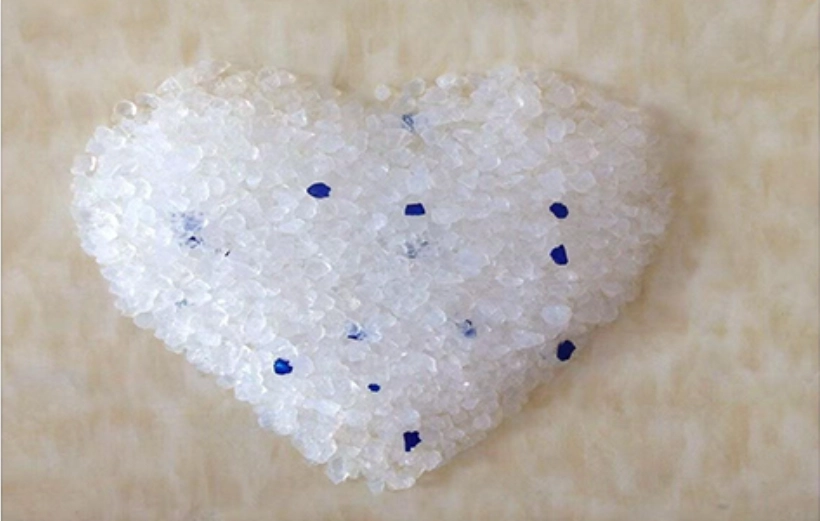
For private label brands, wholesalers, importers, and distributors, cat litter shortage 2026 is not only a market headline. It is a supply chain warning. When raw materials, freight costs, factory schedules, and packaging demand change at the same time, brands that depend on one formula or one supplier may face delays, unstable quality, or missed sales seasons.
This is why more buyers are looking for a cat litter manufacturer with more than one product line. Cassava cat litter, tofu cat litter, and silicone cat litter each serve different customer needs. A supplier that can support several materials gives buyers more room to plan, test, and adjust their product range.
At Fat cat, we produce cat litter for overseas buyers, distributors, retailers, and private label litter projects. Our products include cassava cat litter, tofu cat litter, and silicone cat litter, with support for product research, packaging, quality control, and export service.
Why Cat Litter Shortage 2026 Matters to B2B Buyers
A shortage does not always mean there is no product available. In many cases, it means buyers may face longer lead times, higher costs, fewer material choices, or unstable product performance. For private label brands, these problems can directly affect shelf supply and customer trust.
A buyer may have a good product plan, but if the formula depends on one material source, one bag type, or one production schedule, risk becomes higher. Retailers expect stable delivery. End customers expect the same product every time they buy it. When supply becomes tight, weak planning becomes visible quickly.
B2B buyers should pay attention to:
-
Raw material availability
-
Factory production capacity
-
Stable packaging supply
-
Export shipping experience
-
Repeat-order quality
-
Formula flexibility
-
Product range depth
-
Clear communication during busy seasons
A multi-material cat litter manufacturer can help buyers reduce risk. If one product category faces pressure, the brand may still have other options for different markets.
Cassava Cat Litter for Strong Clumping Demand
Cassava cat litter is useful for buyers who want a plant-based product with strong clumping performance. Cassava starch helps liquid gather into firm clumps, making daily cleaning easier for end users.
For private label brands, this product can be promoted around a very clear benefit: clean scooping. Customers do not want clumps that fall apart, stick to the bottom, or leave wet residue around the litter box.
Fat cat cassava cat litter is designed with these advantages:
-
Fast clumping
-
Firm clumps
-
Low dust
-
No added sand
-
Less sticking to fur and paws
-
Cleaner scooping
-
Plant-based material positioning
The point of “no added sand” is especially valuable for B2B buyers. It gives the product a cleaner material story and helps brands avoid confusion with mineral-based litter.
Cassava Cat Litter Quality Variation
Cassava cat litter quality variation is one reason buyers should not judge a product only by a sample photo. Different suppliers may use different starch levels, binders, drying methods, particle hardness, and dust-removal processes.
These details affect:
-
Clumping speed
-
Clump strength
-
Dust after shipping
-
Moisture resistance
-
Storage life
-
Litter box residue
-
Customer reviews
A stable factory should test both sample batches and mass-production batches. At Fat cat, our cassava cat litter is developed for fast clumping, low dust, water absorption, and a cleaner plant-based formula.
Tofu Cat Litter for Odor Control Markets
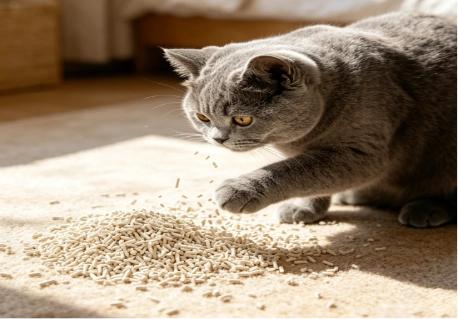
Tofu cat litter is a strong choice for brands that want to focus on odor control, plant-based ingredients, and indoor use. It is often made with materials such as corn flour, pea fiber, starch, and guar gum.
For end customers, odor is one of the most direct concerns. This is especially true in apartments, small homes, and multi-cat families. Searches such as cat litter for small apartments 2026 show that buyers should think beyond material names. Customers want products that help keep the home fresh, clean, and easy to manage.
Fat cat tofu cat litter can be positioned around:
-
Odor control
-
Low dust
-
Plant-based ingredients
-
Soft paw feel
-
Daily cleaning
-
Indoor use
-
Convenient packaging
Tofu cat litter pros and cons should be explained honestly. Its strengths include odor control, light handling, low dust, and natural ingredients. Its limits include moisture sensitivity and the need for good storage.
Tofu Cat Litter Packaging
Tofu cat litter packaging is important for private label orders because plant-based particles may react to humidity during shipping and storage. Weak packaging can lead to broken particles, extra dust, weaker clumping, or moldy cat litter.
Good packaging should:
-
Help block moisture
-
Protect particles from pressure
-
Keep the product clean
-
Support easy storage
-
Display clear volume and weight
-
Match retail shelf needs
-
Carry private label design
A common Fat cat specification is 6L/2.5kg. Buyers can discuss bag design, carton packing, label language, and market positioning with our team. More details are available on our tofu cat litter page.
Silicone Cat Litter for Absorption and Low Dust
Silicone cat litter gives private label buyers another product direction. While cassava and tofu litter are often selected for plant-based positioning, silicone cat litter is useful for customers who want high absorption, low dust, and a dry litter box.
Fat cat silicone cat litter uses silica gel and activated carbon. It can support:
-
Strong liquid absorption
-
Low dust
-
Odor control
-
Dry surface feel
-
Longer use between full changes
-
Multi-cat household needs
This product can help a brand build a wider product line. A buyer may sell cassava cat litter for clumping, tofu cat litter for odor control, and silicone cat litter for absorption. That makes the brand less dependent on one material and gives distributors more products to offer.
Mixed Cassava and Tofu Litter for Product Line Flexibility
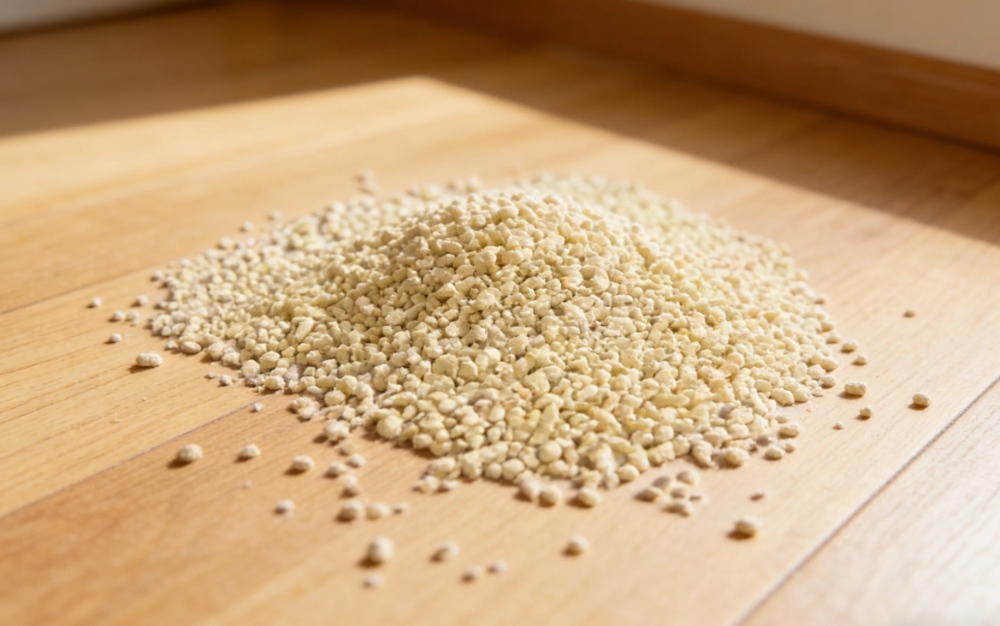
A mixed cassava and tofu formula can help private label brands create a more distinctive product. Cassava can support strong clumping, while tofu litter can add odor-control value and a softer plant-based texture.
This direction is useful when a buyer wants a product that is different from standard single-material litter. It can also help brands build a middle-position product between strong clumping and odor control.
However, mixed formulas need careful testing. The final product should be tested for:
-
Clumping strength
-
Odor control
-
Dust level
-
Moisture resistance
-
Particle breakage
-
Storage stability
-
Packaging performance
There is also one important limit. A mixed cassava and tofu product should be treated as non-flushable unless the complete formula has passed proper disposal testing. Clear instructions help protect the buyer, the retailer, and the end customer.
Quality Control During Market Uncertainty
When the market is stable, small quality changes may be easier to manage. During a supply shortage, they become more serious. If a factory changes material sources or speeds up production without careful testing, the product may no longer perform the same way.
This is why quality control matters in every B2B order. A responsible cat litter manufacturer should check:
-
Raw material condition
-
Formula ratio
-
Particle size
-
Particle hardness
-
Moisture level
-
Dust removal
-
Water absorption
-
Clumping strength
-
Odor control
-
Packaging condition
At Fat cat, we support buyers through factory production, product research, laboratory resources, and inspection work. The fat cat factory is located in Yantai, China, near Yantai Port and Qingdao Port. More than 95% of our products are exported to overseas markets.
Buyers can read more about our company and production background on the about Fat cat page.
Product Planning Based on Cat Litter News
Cat litter news can help B2B buyers understand what customers may ask for next. If consumers talk more about odor, dust, apartment use, or moldy cat litter, private label brands should turn those concerns into product planning.
For example, moldy cat litter may be linked to moisture, poor storage, delayed cleaning, or weak packaging. A strong manufacturer can help reduce this risk with proper drying, suitable packaging, and clear storage advice.
Brands can also build product pages or sales sheets around common customer needs:
-
Recommend odor control litter for small apartments
-
Explain cassava vs tofu cat litter by use case
-
Compare silicone cat litter with plant-based litter
-
Show 6L/2.5kg package options
-
Explain why mixed litter is non-flushable
-
Give storage tips for plant-based litter
Fat cat shares updates and product information through our news center, which can help buyers follow product direction and market topics.
Why Multi-Material Supply Gives Buyers More Stability
A single-product brand may be easier to manage at first, but it can become risky when material supply changes. A multi-material product line gives buyers more choices. It also helps retailers serve different customer groups.
A strong private label range may include:
-
Cassava cat litter for firm clumping
-
Tofu cat litter for odor control
-
Silicone cat litter for absorption
-
Mixed litter for balanced performance
-
Smaller packs for apartment users
-
Larger packs for multi-cat homes
This approach gives the buyer more flexibility. If one product faces cost pressure, another may still support sales. If one customer group prefers plant-based litter, another may prefer silicone cat litter. A manufacturer with several product lines can help buyers respond without rebuilding the supply chain from the beginning.
For sample requests, packaging discussion, formula details, or private label cooperation, buyers can contact Fat cat.
Conclusion
Cat litter shortage 2026 is a reminder that private label buyers need more than a low-price supplier. They need a cat litter manufacturer with stable production, quality control, export experience, and several product options. Cassava cat litter can support strong clumping without added sand. Tofu cat litter can help brands focus on odor control and plant-based daily use. Silicone cat litter adds strong absorption and low-dust value. Mixed cassava and tofu formulas can also create a special product line, but they should be labeled as non-flushable unless fully tested. With factory production, research support, packaging service, and export experience, Fat cat can help buyers build a more stable cat litter business.
FAQs
Q: What is the common Fat cat package size?
A: A common package size is 6L/2.5kg for private label litter.
Q: Is mixed cassava and tofu litter flushable?
A: No. Mixed litter should be treated as non-flushable unless fully tested.
Q: Which litter is best for odor control?
A: Tofu cat litter is suitable for brands focused on odor control.