


Why would anyone want non-clumping litter
2026-08-20
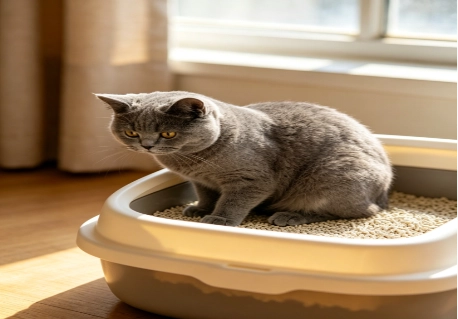
For numerous feline owners, clumping options seem like the clear choice. You extract the lump, eliminate the waste, and proceed. However, non clumping litter still offers substantial benefits for specific households, felines, and maintenance habits. It draws in liquid rather than creating solid urine masses. This action can preserve a dry surface. Furthermore, it simplifies the daily process for users who favor planned total box replacements.
The ideal cat litter is not always the most widespread one. It remains the product your feline tolerates, your residence can handle, and your hygiene routine can sustain. At Fat cat, we formulate botanical and highly absorbent litter variations because diverse environments require distinct solutions. Certain users desire rapid clumping. Conversely, others seek robust moisture uptake, efficient odor control, and a dry-feeling litter box requiring less daily extraction.
What non-clumping litter is good at?
Non-clumping litter functions in a distinct manner compared to clumping varieties. Rather than converting urine into a solid, extractable block, it draws moisture into the granules. This characteristic proves beneficial when the litter substance is exceptionally absorbent. Additionally, it works well if the user adheres to a strict replacement timeline.
It keeps moisture inside the material
The primary attraction of non clumping litter is its absorption capability. Fluid travels into the particles. Meanwhile, the top layer can remain fairly dry for an extended duration. For various felines, that arid surface feels much more pleasant under their paws than damp, adhesive lumps.
This factor is a key reason numerous users select absorbent compositions like Fat cat silicone cat litter. A silica-based litter can be highly advantageous for users seeking moisture retention, minimal airborne particles, and reduced adhesion at the base of the container. It proves particularly effective when the material is agitated frequently and substituted before reaching total saturation.
It can make daily cleaning feel simpler
With clumping varieties, the everyday chore involves extracting both solid waste and urine masses. With non-clumping litter, the standard procedure is quite different. You eliminate solid waste, agitate the pristine-looking material, and swap the entire tray according to a schedule.
That specific regimen can accommodate users who favor fewer daily actions. It can also function effectively for felines that do not produce large volumes of urine. Furthermore, it suits residences where the container is inspected frequently. Nevertheless, non-clumping litter must never remain until a potent scent develops. Once a smell emerges, the material has already exceeded its optimal performance phase.
When non-clumping litter makes sense?
Selecting a litter must begin with your actual household routines. A specific item might seem fantastic in theory. However, if it fails to align with your cleaning frequency, the quantity of felines, or your pet’s texture inclination, it will not function effectively in everyday scenarios.
Choose it for one-cat homes with steady cleaning
Non-clumping litter often proves most functional in a single-feline residence. When merely one pet utilizes the container, the absorbent substance possesses more time before becoming overwhelmed. The user can extract solid waste daily. Subsequently, they can swap the entire tray before fluid accumulates excessively.
You might want to evaluate non clumping litter if:
-
You possess a single feline utilizing one primary litter box
-
You can inspect the container on a daily basis
-
Your pet favors a dry, unattached texture
-
You desire to prevent urine masses from adhering to the base
-
You are content with swapping the entire tray on a regular schedule
-
You require a low dust litter alternative for a more hygienic environment
For optimal outcomes, monitor the container carefully throughout the initial week. If the top layer feels moist, a scent emerges rapidly, or your pet begins shunning the container, the composition or maintenance schedule might be inappropriate.
Avoid it when urine volume is high
Non-clumping litter becomes less appropriate when multiple felines utilize the identical container. It is also less effective when a single pet produces significant urine volumes. Under these circumstances, the absorbent substance can hit its maximum capacity rapidly. Once that occurs, scents intensify. The base might turn damp, and the container becomes considerably less appealing for your pet.
If your residence houses two or more felines, clumping litter is frequently simpler to handle. A rapid-clumping composition allows you to extract utilized material daily. This eliminates the need to wait for a complete box swap. Consequently, this approach can render odor control more consistent and decrease residual waste within the container.
How to know when non-clumping litter needs changing?
An effective litter regimen relies heavily on careful observation. Non-clumping litter fails to provide a distinct urine mass as an indicator. Therefore, you must monitor for alternative signals. These indicators are straightforward, yet they hold significant importance.
Replace the litter when these signs appear
Change the full tray when you notice any of the following:
-
The box smells even after solid waste is removed
-
The surface feels damp instead of dry
-
Granules look darker, swollen, or heavy
-
Your cat digs less or leaves quickly
-
Waste sticks to the bottom of the tray
-
The litter no longer covers feces well
A clean box should not rely on perfume to hide problems. If smell remains after basic cleaning, the litter is no longer doing its job. Replace it, wash the tray with mild water, dry it fully, and refill with fresh litter.
Keep enough depth in the litter box
Litter depth also affects performance. Too little material becomes saturated quickly. Too much may make digging uncomfortable or waste product. For many cats, a depth of about 5 to 8 cm gives enough space to dig and cover waste.
When switching to a new cat litter, do it gradually. Mix the new litter with the old one for three to five days. Cats are sensitive to sudden changes, and a slow transition helps protect regular litter box use.
Non-clumping litter vs tofu cat litter
Non-clumping litter is not better or worse than tofu litter. It simply solves a different problem. If you want absorption with scheduled full changes, non-clumping litter may fit. If you want daily removal of urine waste, tofu cat litter is usually more convenient.
Tofu litter is better for daily scooping
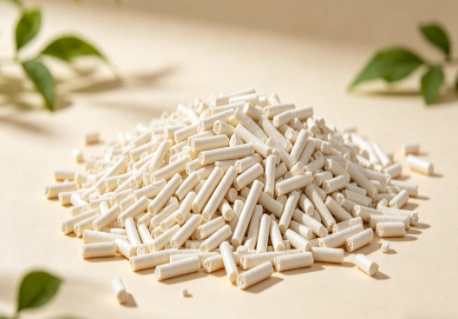
Fat cat tofu cat litter is made with plant-based materials such as corn flour, pea fiber, starch, and guar gum. It is designed for fast clumping, easy cleaning, low dust, and comfortable daily use.
This type of litter works well when owners want to scoop urine and feces every day. The clumps help separate used material from clean litter, which can reduce smell and keep the box fresher between full changes. For multi-cat homes, this is often a stronger choice than non-clumping litter.
Tofu litter also supports easier disposal
Many cat owners choose tofu cat litter because it is plant-based, biodegradable, and easy to handle. Fat cat tofu cat litter is available in common particle sizes such as 2.0 mm, 2.5 mm, and 3.0 mm, with a 6 L / 2.5 kg specification.
If your main concern is quick cleaning, soft paw feel, and less dust during scooping, tofu litter may be the better daily option. If your main concern is dry absorption with fewer urine-scooping steps, non-clumping litter may still make sense.
Where cassava litter fits in?
Some owners want the convenience of clumping litter but prefer plant-based ingredients. In that case, cassava litter can be a strong middle ground. It offers fast clumping, easy waste removal, and a natural material base.
Cassava litter is useful for quick clump removal
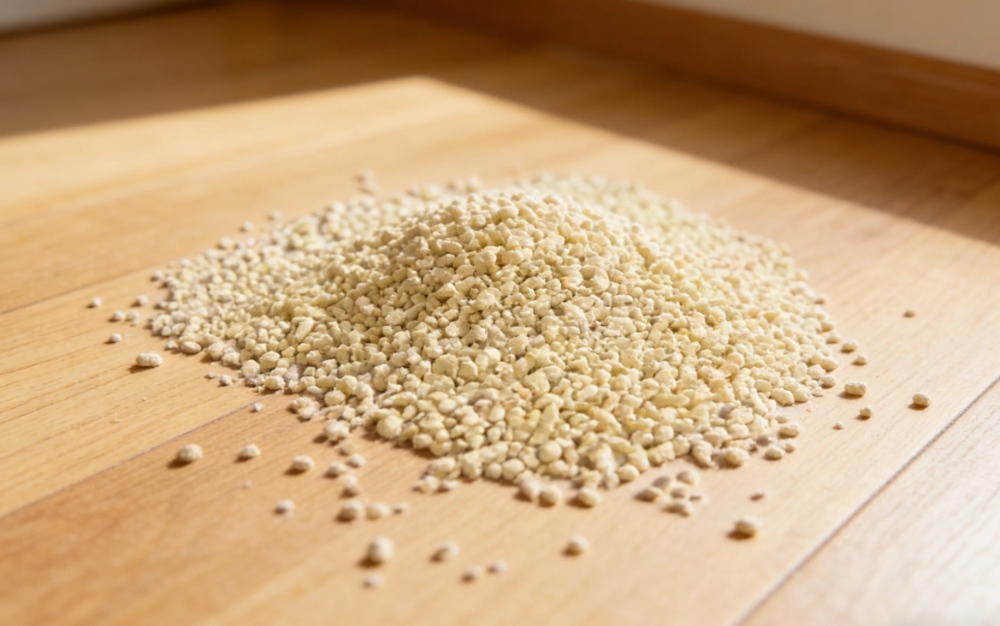
Fat cat cassava litter is made with food-grade cassava material and is designed for fast agglomeration, low dust, and daily scooping. It is a good choice for owners who want plant-based performance without giving up the convenience of clumps.
Cassava litter may suit:
-
Multi-cat homes that need frequent scooping
-
Owners who want strong odor control
-
Cats that accept fine plant-based particles
-
Homes that want less dust than many mineral litters
-
Owners who prefer natural material sources
Compared with non clumping litter, cassava litter gives clearer cleaning signals. You can see the used material, scoop it out, and leave the cleaner litter behind.
How to choose the right Fat cat litter?
The easiest way to choose is to match the litter to your cat’s behavior and your cleaning routine. Do not choose based only on one claim. Look at the full picture: cat number, smell level, dust, paw comfort, cleaning time, and waste handling.
Use this simple guide:
-
Choose non clumping litter if you have one cat, prefer absorption, and can replace the full tray regularly.
-
Choose silica litter style absorbent litter if you want dry granules, moisture capture, and low dust performance.
-
Choose tofu cat litter if you want daily clumping, plant-based ingredients, and easy scooping.
-
Choose cassava litter if you want fast clumping with a natural starch-based material.
-
Read our guide on how to stop cat litter tracking if your main issue is litter being carried around the home.
At Fat cat, our goal is to help owners choose litter that cats actually use. A clean box, steady routine, and suitable material are more important than chasing one “perfect” litter type. You can explore our Fat cat cat litter collection to compare tofu, cassava, and silicone options for your home.
Conclusion
People choose non clumping litter because it can provide strong absorption, a dry surface, low dust, and a simple full-tray replacement routine. It works best for one-cat homes, regular cleaning habits, and cats that prefer loose, dry material. Still, it is not the best choice for every household. Multi-cat homes, heavy urine use, or owners who want daily urine removal may do better with tofu cat litter or cassava litter. The right choice depends on how your cat uses the litter box and how often you clean it. For a clearer decision, compare Fat cat’s tofu, cassava, and silicone cat litter products before choosing your next refill.
FAQs
Q: Is non clumping litter better for one cat?
A: Yes. It can suit one cat if solids are removed daily and the tray is changed regularly.
Q: How much Fat cat tofu cat litter is in one bag?
A: Fat cat tofu cat litter is available in 6 L / 2.5 kg.
Q: How deep should cat litter be?
A: Most cats do well with about 5 to 8 cm of litter depth.