


Tofu vs. Cassava Cat Litter: Which Eco-Friendly Option Is Best?
2026-08-14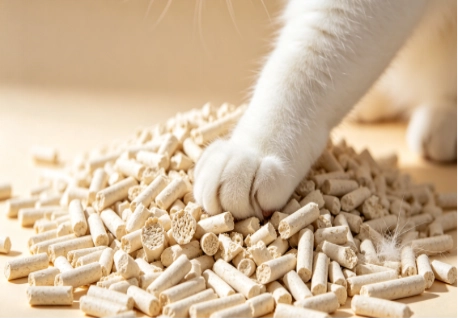
In the past, picking a cat litter mainly involved checking the cost, scent, and bag size. Now, pet parents focus on other details. They look at dust levels, eco-friendly materials, and overall waste. They also think about paw comfort and daily upkeep. Because of this shift, tofu cat litter and cassava cat litter have become great options. They serve as excellent substitutes for standard clay options.
Both products are types of plant based litter. They both offer quick clumping and minimal dust. They also make trash removal much simpler. Yet, they do not work in the exact same manner. The ideal pick relies on your specific cat and your living space. It also depends on your cleaning routine. This article looks at their core materials and clumping traits. We will also review smell control, dust, tracking, and safety. Finally, we cover their green benefits to help you decide.
What Is Tofu Cat Litter?
Tofu cat litter comes mostly from natural plant sources. Fat cat utilizes corn flour alongside pea fiber. We also add starch and guar gum. Workers blend these items together. Next, they press the mix into small pieces. Finally, they dry the pieces using high heat.
Even with its title, this product is not just leftover bean curd. Its success relies heavily on good plant fibers. It requires a proper mix of starch and natural gums. The strength of each piece matters too. A solid dust-filtering step is also vital.
Fat cat offers this product in specific sizes. You can find 2.0 mm, 2.5 mm, and 3.0 mm pieces. We provide plain, green tea, and peach scents. The plain type is a great first choice. It works well for pets that hate strong smells.
Key benefits include:
- Rapid clumping for simple daily scooping
- Great fluid soaking with less damp waste
- Minimal dust when pouring and scratching
- Natural odor blocking
- Gentle pieces that protect sensitive paws
- Earth-friendly ingredients
- Dissolves in water for simple flushing where allowed
A normal Fat cat bag holds 6 L / 2.5 kg. For standard upkeep, you must clear out clumps daily. You should add fresh granules or change the whole box as needed. This schedule depends on your home environment.
What Is Cassava Cat Litter?
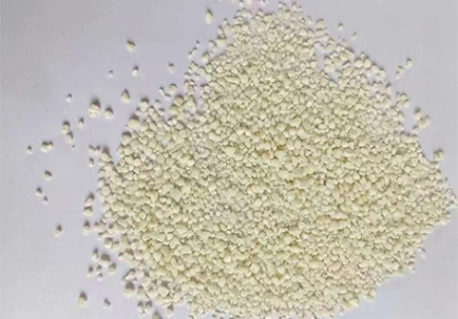
Cassava cat litter relies on root starch as its primary working ingredient. This starch links up with liquid very fast. It helps the granules build solid masses. You can scoop these masses easily. They will not leave a messy, wet layer behind.
At Fat cat, root ingredients make up the bulk of this blend. We built our formula to soak up fluids in seconds. It produces very little dust and forms tight masses. It also stops sticky messes on the pan floor. The soft plant bits are great for young kittens. Older pets and cats with tender feet also prefer this feel.
The main benefits of cassava litter include:
- Speedy liquid soaking
- Firm and secure masses
- Very low dust creation
- Reliable results even with a thin base layer
- Barely any sticky mess on the base
- Natural and earth-friendly parts
- Soft feel for delicate feet
This specific product works wonderfully in heavily used boxes. Its high-starch makeup reacts to liquid instantly. You still need to scoop the box every single day. Regular cleaning is a must, even when a clumping cat litter provides incredible soaking power.
Tofu vs. Cassava: A Practical Performance Comparison
Choosing between these materials requires more than asking which one sounds greener. Cat owners should consider what happens every day: how cleanly the litter pours, how quickly it reacts, whether clumps break during scooping, and how much litter reaches the floor. The following areas reveal the most useful differences.
Clumping and Absorption
Tofu litter combines absorbent plant fiber with starch and guar gum. The fiber draws in moisture, while the binder helps create a removable clump. High-quality pea fiber also gives the particles a stable internal structure, which can reduce powdering and wet residue.
Cassava litter relies more heavily on starch. Fat cat cassava litter can form a clump within about five seconds and absorb 60 ml in eight seconds under stated test conditions. This quick response makes it a strong choice for multi-cat homes or cats with high urine output.
Both products are effective, but their strengths differ slightly:
- Choose tofu litter if you want a balance of absorption, clump strength, and odor control.
- Choose cassava litter if rapid moisture response and clean lifting are your main concerns.
- For either type, wait briefly before scooping a fresh clump. This reduces breakage and waste.
Odor Control
Good odor control begins with fast liquid capture. When urine remains exposed or reaches the bottom of the box, ammonia odors develop more easily.
Tofu cat litter uses porous plant fiber to absorb moisture and trap odor. Tea polyphenols and plant-decomposing enzymes may be added to selected Fat cat formulas for further odor support. Original litter remains available for cats that avoid scented products.
Cassava cat litter also controls odor by quickly locking moisture inside a dense clump. It performs well when owners scoop daily and maintain enough clean litter around high-use areas.
Neither material removes the need for regular care. Even the best eco friendly litter will smell if waste remains in the box for several days.
Dust and Paw Comfort
Dust matters because cats dig close to the litter surface. Fine airborne particles can also spread across floors and furniture. A carefully processed low dust litter creates a cleaner experience for both cats and owners.
Fat cat tofu litter goes through repeated dust-removal stages and is made into smooth, controlled particles. Cassava litter is also processed for very low dust, with a dust rate below 0.13%.
Both options are suitable for homes seeking less dust than many mineral litters. However, no loose granular product should be described as completely dustless in every real-life condition. Handling, shipping, humidity, and broken particles can affect the amount of powder in a bag.
For paw comfort, consider particle size as well as material. Smaller particles may feel softer, while larger particles may track less. Your cat’s preference should guide the final choice.
Which Litter Is More Eco-Friendly?
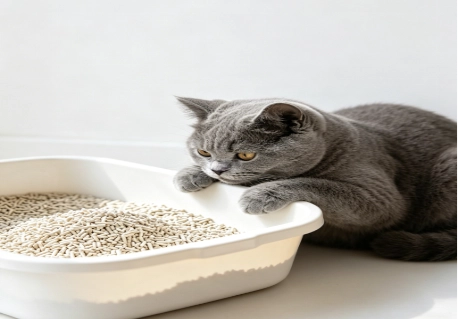
Both tofu and cassava are renewable alternatives to mined clay. They are biodegradable and produce lighter waste than many mineral products. These qualities make either one a meaningful eco friendly litter choice.
Tofu litter can make productive use of plant fiber from food-related materials. Cassava litter comes from a renewable root crop and has a stated biodegradation rate of 92% within 28 days under the product’s test conditions. Actual breakdown time will vary with temperature, moisture, oxygen, and local waste treatment.
Disposal still requires care. Although each product may be sold as flushable cat litter, never empty a full tray into the toilet. Local plumbing systems and wastewater rules differ. Cat waste may also contain organisms that municipal systems are not designed to handle.
Use one of these methods:
- Place used clumps in household waste where required.
- Flush only small, fully softened clumps if local rules and plumbing permit.
- Compost litter only under suitable conditions, without using the finished compost on edible crops.
- Never dispose of litter outdoors or through storm drains.
For more guidance, Fat cat’s article on flushable eco-friendly litter explains why responsible disposal matters as much as the material itself.
Which Option Fits Your Household?
There is no universal winner. The right litter is the one your cat accepts and your household can maintain consistently. Consider the box location, number of cats, humidity, odor sensitivity, floor type, storage conditions, and preferred cleaning routine before deciding.
Choose Tofu Litter If You Want:
- A balanced combination of clumping and odor control
- Several particle-size choices
- Original or lightly scented options
- A soft texture for kittens or senior cats
- A lightweight plant based litter
- Fast water dissolution for controlled disposal
Our Fat cat tofu litter is particularly suitable for owners who value pea-fiber content, easy scooping, and a clean box bottom. Product testing on a tofu litter sample also reported formaldehyde below the detection limit of 0.1 mg/kg and aflatoxin B₁ below 2.0 μg/kg.
Choose Cassava Litter If You Want:
- Very fast absorption
- Compact clumps that are easy to lift
- Low sticking, even with a thinner litter layer
- Minimal dust for sensitive households
- Strong performance in multi-cat boxes
- A fragrance-free, starch-based material
Fat cat cassava litter is made with food-grade cassava material and is positioned for kittens, sensitive cats, and allergy-conscious homes. Learn more about how we develop both product categories on our company profile.
How to Switch Without Litter Box Rejection?
Cats often react to texture and scent changes before they respond to environmental benefits. A sudden switch may lead to hesitation or elimination outside the box, even when the new litter is cleaner.
Change the litter gradually over five to seven days:
- Begin with about 75% old litter and 25% new litter.
- Move to an equal mix after your cat uses the box normally.
- Increase the new litter to 75%.
- Complete the switch when your cat shows no avoidance.
- Keep the box location and cleaning schedule unchanged during the transition.
Fill the tray to approximately 5–8 cm unless the product or litter box instructions state otherwise. Scoop at least once daily and store unused litter in a sealed container away from humidity. These habits protect the performance of both tofu and cassava products.
Conclusion
Tofu cat litter and cassava cat litter are both strong choices for owners seeking renewable materials, low dust, firm clumping, and simpler cleaning. Tofu litter offers a well-rounded balance of absorbency, odor control, particle choices, and water solubility. Cassava litter stands out for rapid moisture response, tight clumps, and limited bottom sticking. Neither option is automatically best for every cat. Paw preference, scent sensitivity, household humidity, box traffic, and local disposal rules should shape your decision. At Fat cat, we develop both materials because different cats and homes have different needs. Start with the option that addresses your main cleaning concern, introduce it gradually, and watch your cat’s behavior. Consistent daily care will bring out the best performance in either litter.
FAQs
Q: How much tofu cat litter should I use?
A: Add 5–8 cm to the tray. One Fat cat pack contains 6 L / 2.5 kg.
Q: Is cassava cat litter suitable for multiple cats?
A: Yes. Its fast absorption and tight clumps support busy boxes, but scoop at least once daily.
Q: Can I flush plant based litter?
A: Flush only small softened clumps where local rules permit. Never flush a full 6 L tray.