


Should I Clean Up Cat Poop Immediately?
2026-08-07
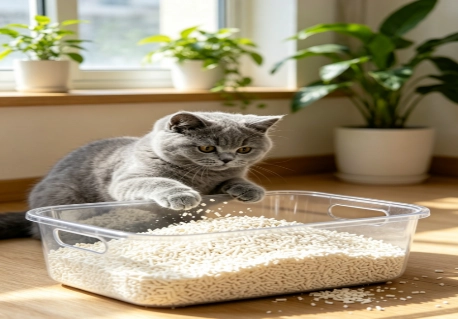
Yes. When you notice cat poop in the litter box, you should remove it right away as part of your regular routine. You do not need to watch the box every minute. However, waste should not stay there for long periods. Quick removal of cat poop helps reduce odor. It also keeps the surface comfortable for your cat. In addition, it gives you a good chance to notice any changes in stool. At a minimum, scoop the litter box every day. Homes with several cats may need two or more checks each day.
This guide explains why the timing matters. It also shows how to scoop safely. In addition, it covers what stool changes deserve attention. Finally, it describes how clumping cat litter can make the routine easier.
Why Should Cat Poop Be Removed Quickly?
Cats naturally look for a clean place to bury their waste. A dirty box can become unpleasant. This is especially true when several deposits limit the usable surface. Prompt removal also prevents odor from spreading through nearby rooms. More importantly, scooping creates a simple daily health check. Stool can reveal changes in digestion, hydration, stress, or eating habits.
A Cleaner Box Is More Appealing to Cats
Many cats are selective about where they eliminate. If the box smells strong, feels crowded, or contains old waste, a cat may hesitate to enter. Some cats then choose a bathmat, floor, or another quiet place instead. A clean litter box supports consistent habits. However, accidents can also have medical or behavioral causes.
Veterinary litter box guidance recommends scooping daily. It also advises cleaning the complete box at least weekly. In addition, it suggests providing one box per cat plus one additional box. More boxes reduce competition. They also make cleanliness easier to maintain.
Prompt Scooping Helps Control Litter Box Odor
Cat feces releases odor as it remains exposed. Burying may hide part of the smell. Yet litter cannot remove the solid waste. The quickest response to litter box odor is physical removal. After that, check whether any soiled litter remains attached to the clump or box.
Good ventilation helps. Still, do not place the box beside a loud appliance. Also avoid an area your cat cannot reach easily. Strong perfume is not a substitute for cleaning. Some cats dislike heavily scented products. As a result, they may avoid the box.
Is Cat Poop a Health Risk for People?
Cat feces may contain germs or parasites. Therefore, sensible hygiene matters. Risk differs with the cat’s health, diet, lifestyle, and exposure. Owners should avoid panic. At the same time, they should not handle waste carelessly. Daily removal and thorough handwashing form a practical routine.
Why Daily Removal Matters for Toxoplasmosis Prevention
Public-health toxoplasmosis prevention guidance recommends changing cat litter daily. It explains that the parasite does not become infectious immediately after being shed. The process generally takes 1–5 days. Daily removal can therefore clear feces before that stage.
Pregnant people and people with weakened immune systems should ask another household member to clean the box when possible. If that is not possible, they should follow advice from their healthcare professional. They should also wear disposable gloves. In addition, they must wash their hands carefully. Cat ownership alone does not mean infection will occur.
What Is the Safest Scooping Routine?
A safe routine should be simple enough to repeat every day. First, open a waste bag or prepare a covered disposal container. Next, wear gloves if you have cuts, sensitive skin, or added health risks. Then, scoop feces and any urine clumps without shaking dust into the air. After that, remove loose contaminated litter around each deposit. Following this, check the box for wet areas, cracks, or residue. Then, refill litter to a consistent depth. Next, seal the waste and follow local disposal rules. Finally, wash your hands with soap and water. Do not clean food utensils in the same sink at the same time. If waste falls outside the box, remove it immediately. Clean the surface with a suitable household product.
How Often Should You Scoop the Litter Box?
Once daily is a minimum routine. It is not a universal maximum. The right frequency depends on the number of cats, the number and size of boxes, stool frequency, ventilation, and litter performance. A morning-and-evening check works well for many homes. It prevents waste from accumulating. At the same time, it avoids turning care into a constant task.
Single-Cat and Multi-Cat Schedules
For one healthy cat with adequate boxes, scoop at least once each day. Also scoop whenever you notice fresh feces. For two or more cats, inspect boxes at least twice daily. Add more frequent checks if a cat has diarrhea. Do the same if the room is small or if one box receives much heavier use.
Follow the “cats plus one” box rule where space allows. One cat needs 2 boxes. Two cats need 3 boxes. Three cats need 4 boxes. Boxes should be placed in accessible locations. They should not be lined up as one shared station. Separate locations give cats more choice. They can also reduce guarding by another pet.
When Does the Whole Box Need Cleaning?
Scooping removes daily waste. Full cleaning deals with fine residue and material that the scoop misses. Empty and wash the box about once a week. Then adjust the interval for the number of cats and the litter used. Follow the box maker’s cleaning instructions. Avoid products that leave a strong smell.
Replace badly scratched boxes. Grooves can hold residue and become difficult to clean. When changing litter, avoid a sudden switch if your cat is sensitive. Mixing the new material in gradually may help preserve normal litter box habits.
Can Cassava Cat Litter Make Cleanup Easier?
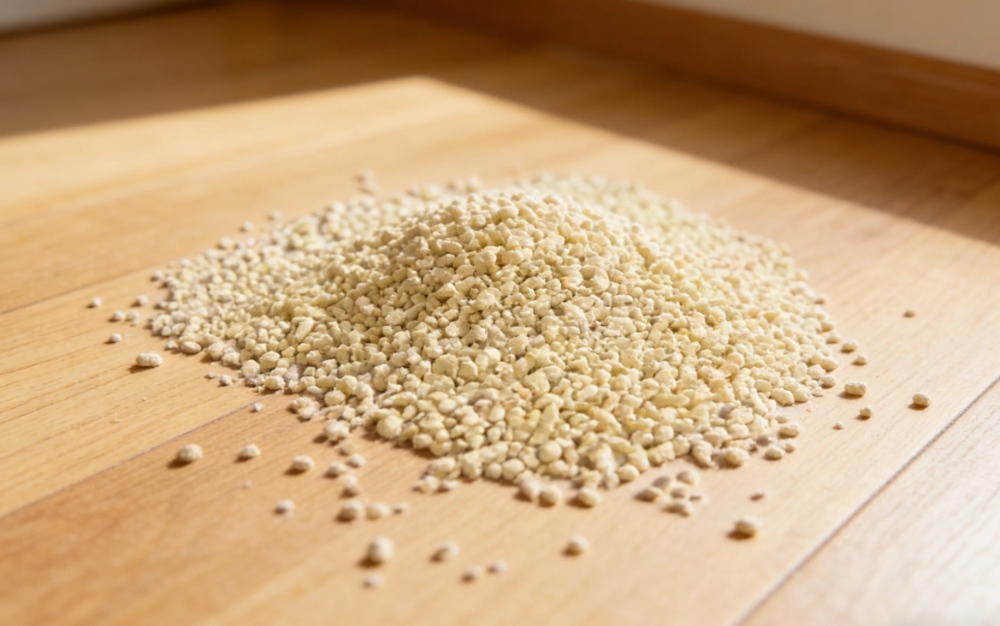
Litter cannot replace regular scooping. Yet its texture and clumping behavior affect how easy the task feels. A firm clump can reduce breakage. It also leaves less wet material behind. Low dust can make pouring and scooping more comfortable. Still, any loose particles should be handled gently.
How Fast Clumping Supports Daily Cleaning
Cassava cat litter uses plant-based starch to bind moisture. When a clump forms quickly and stays firm, owners can remove the soiled area. They do not need to take excessive clean litter. This supports a tidy surface. It also makes twice-daily checks easier in busy households.
Fat Cat offers a cassava cat litter made primarily with cassava starch. We designed our product around fast clumping and low-dust handling for routine litter box care. Our product information should be considered together with your cat’s preferences, box design, and local waste rules.
Why Low Dust and Natural Materials Matter
A low dust litter can reduce visible clouds when the bag is poured or the box is scooped. This is helpful for keeping the surrounding floor cleaner. However, “low dust” does not mean owners should pour from a great height. It also does not allow shaking the scoop aggressively.
Natural materials may appeal to owners seeking plant-based options. They do not remove the need for handwashing or daily cat litter hygiene. Fat Cat recommends monitoring how your cat responds during any transition. Our product range also lets buyers compare cassava, tofu, and silica-based options before choosing.
What Can Daily Scooping Tell You About Your Cat?
The litter box is a record of normal habits. Regular cat poop cleanup helps you learn what is usual for your cat. This includes frequency, color, shape, firmness, and ease of passing stool. A single mild change may relate to diet. Yet repeated or severe changes need professional attention.
Contact a veterinarian if you notice repeated diarrhea or very hard, dry stool. Also contact one if you see blood, black stool, mucus, or visible worms. Seek help for straining, crying, or repeated unsuccessful visits. The same applies to a sudden major change in frequency. In addition, contact a veterinarian for vomiting, poor appetite, weakness, or weight loss. Finally, seek advice for persistent elimination outside the box.
Urinary straining can be an emergency. This is especially true in male cats. Do not assume every long visit to the box is constipation. If you are unsure whether your cat is passing urine, seek veterinary help promptly.
Conclusion
Clean up cat poop when you see it. At a minimum, scoop every day. Prompt removal controls odor. It also preserves usable litter space. In addition, it supports normal box habits. It helps you notice changes in your cat’s health. Multi-cat homes usually need more frequent checks. They also require enough boxes to prevent crowding. Use gloves when appropriate. Avoid raising dust. Seal waste properly. Wash your hands after every cleaning. Clumping cat litter can make the work faster. However, no litter replaces a steady hygiene routine. Fat Cat cassava cat litter offers a plant-based, fast-clumping, low-dust option for owners who want simpler daily care. Introduce any new litter gradually. Follow local disposal rules. Contact a veterinarian when stool or litter box behavior changes sharply.
FAQs
Q: How often should cat poop cleanup be done?
A: Scoop immediately when practical and at least once daily. Multi-cat homes may require two or more checks.
Q: How deep should cassava cat litter be?
A: Start near 5–7 cm. Then follow the package directions and your cat’s digging preference.
Q: Can I flush clumping cat litter?
A: Follow local rules and product directions. Plumbing and wastewater policies vary by location.