


What is the Safest Litter? A Complete Guide for Cat Owners
2026-06-25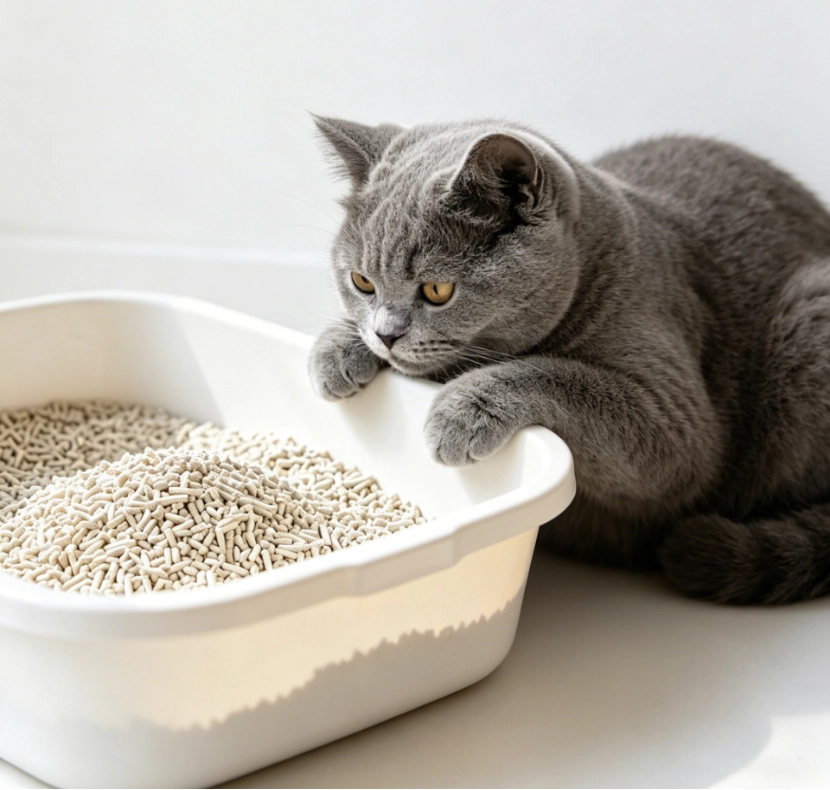 Choosing the right litter for your cat involves more than simply selecting the next bag. The choice affects several aspects of daily use. These include the cleanliness of the litter box. Dust levels rise when a cat digs. Odor escapes from the litter. Cleaning requires more or less effort. The cat also gains comfort during each use. What determines safety in a litter? Many types appear on the market. They range from bentonite litter and silica gel litter to pine litter, cassava litter, and tofu litter.
All provide safe choices. A cat owner reviews key details before purchase. These details cover the ingredients. Dust levels receive attention. Clumping ability matters. Odor control counts. Disposal methods also require review. For Fat Cat, the focus remains on plant-based litters. This litter suits buyers who want low dust, strong clumping, and easy daily cleaning.
Why Litter Safety Matters
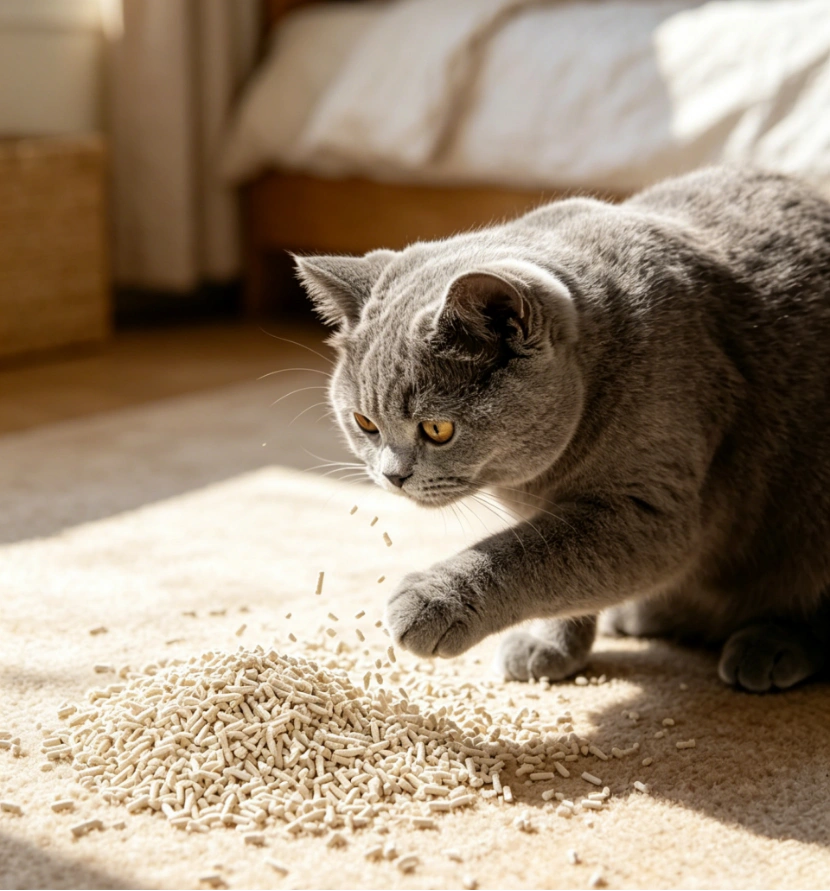
Because your cat uses the litter daily, the material chosen must be safe for your cat as well as clean for you. Lower quality litters can produce dust, create wet spots, smell badly or contain additives that you may not wish to use. Some cats are more sensitive than others and can be stressed by dust or strong smells, especially kittens, senior cats and cats with a sensitive nose. The safest litter will control odor and moisture through the material and clumping properties alone rather than relying on very strong smells.
Dust and respiratory health
Many clay and bentonite litters create visible dust during pouring or scooping. This dust often bothers cats with sensitive systems. It can also leave the home feeling less fresh. Plant-based litters of lower quality may break down into powder within days when the raw materials do not hold up well. Fat Cat pays close attention to its low dust tofu cat litter. The brand uses stable plant fiber along with a controlled particle structure. These choices cut down on loose powder in everyday handling.
Some budget formulas depend on chemical adhesives and intense synthetic scents. Such choices often worry cat owners. This holds true when cats clean their paws after using the litter box. A quality tofu cat litter blends plant fiber with corn starch and a balanced binder ratio. These elements create firm clumps. They do so without heavy reliance on chemical binders.
Odor control and hygiene
Safe litter manages odors without relying only on fragrance. Ammonia often produces cat urine odor. Sulfur compounds may contribute to cat feces odor. Plant-based tofu cat litter absorbs liquid quickly and forms stable clumps. It also reduces wet residue in the tray. Optional deodorizing ingredients such as yucca extract, tea polyphenols, activated carbon, or plant enzymes should follow confirmed product formulas and testing.
Plant-Based Tofu Cat Litter: A Top Choice
Among different options, tofu cat litter offers a practical choice for many owners. It combines plant-based materials, low dust positioning, clumping convenience, and easier disposal. A high-quality tofu cat litter usually relies on fiber for absorption and starch for clumping. Pea fiber works especially well in premium tofu cat litter. It tends to be more stable than lower-grade soy fiber or wood fiber and leaves less oil and protein residue.
-
Low dust performance: Stable plant fiber and controlled production help reduce powdering during storage and use.
-
Plant-based and biodegradable positioning: Tofu cat litter comes from renewable plant materials and supports more eco-friendly product positioning.
-
Effective clumping: A balanced fiber and starch formula helps form removable clumps and reduces wet residue and bottom sticking.
Other Litter Options to Compare
Cassava cat litter
Fat Cat’s cassava litter uses cassava starch as a plant-based material. This material absorbs moisture. It also forms clumps and supports odor control. Owners with sensitive cats often seek plant-based options. Cassava litter can be compared with tofu cat litter. The comparison covers dust level, clumping strength, disposal method, and storage stability.
Silicone/silica gel litter
Silica gel or crystal litter relies on microporous beads to absorb moisture and cut down on odor. This litter is typically non-clumping. Many such products cannot be flushed or broken down by natural processes. It fits the needs of some households well. However, owners who favor plant-based and biodegradable litter often select tofu or cassava litter instead.
Pine or wood-based litter
Pine or wood-based litter can be biodegradable and may offer mild natural deodorizing properties. However, low-grade wood fiber may absorb more slowly, feel harder under paws, or leave flat residue at the tray bottom. When choosing wood-based litter, raw material quality and processing should be checked carefully.
Why Fat Cat Products Stand Out
Fat Cat emphasizes stable plant-based materials, controlled particle design, and practical odor-control logic. The core idea is straightforward. Fiber supports absorption. Starch supports clumping. A proper formula helps reduce dust, sticking, and odor. For premium tofu cat litter, pea fiber is preferred because it offers better stability and less oil residue than many low-grade soy fiber materials.
-
Stable clumping supported by pea fiber, corn starch, and suitable plant-based binders
-
Low dust positioning for cleaner daily use
-
Odor control support for ammonia and feces-related smells
-
Plant-based and biodegradable options for eco-conscious households
-
Particle choices designed for paw comfort, absorption, and litter box acceptance
Fat Cat’s product direction focuses on tofu cat litter and other plant-based options. These suit households, retailers, and private-label buyers that care about raw material quality, clumping stability, and cleaner daily use.
Conclusion
The safest litter cannot be judged by a single label. It relies on dependable materials. It generates minimal dust. It manages odor without depending only on strong fragrance. It forms solid clumps. It also keeps cleaning straightforward. Fat Cat’s tofu cat litter direction centers on plant fiber absorption. It uses starch-supported clumping. It delivers low dust performance. It provides practical odor control. For cat owners, this leads to a cleaner litter box and smoother daily routines. For buyers, high-grade pea fiber tofu cat litter creates a distinct position in the mid-to-high-end pet care market.
FAQs
Q: Is tofu cat litter safe if ingested?
A: Tofu cat litter relies on plant-based materials. Cats should not be encouraged to eat litter. If a cat consumes a large amount, contact a veterinarian right away.
Q: How often should litter be replaced?
A: Scoop daily. Full replacement depends on odor, humidity, litter depth, and the number of cats.
Q: Can safe litter be flushed into the toilet?
A: Small clumps of tofu cat litter may be flushed only where local plumbing rules allow. Do not flush large amounts at once.