


Tofu vs. Clay Cat Litter: Why Smart Cat Parents Are Switching in 2026
2026-02-05The year 2026 marks a clear change in the way people think about caring for their pets. Cat owners no longer pick the lowest-priced option from the store shelf. Instead, they seek items that fit well with their living spaces and match the natural needs of their cats. If you still carry those big sacks of dull rocks to your car, you may ask why other pet folks have changed their choices. Moving from old clay types to options based on tofu is not merely a passing fad. It comes from the rising call for better safety, better results, and better care for the earth. This switch helps create homes where both people and pets feel comfortable every day, reducing worries about health and mess while supporting simple routines that last.
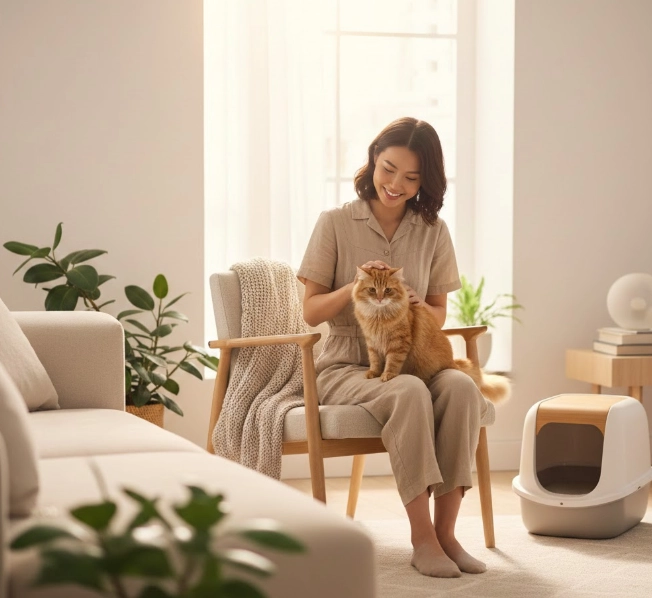
Meet the Game Changer in Feline Hygiene
Before we look closely at the main differences, let us discuss the leader that started this change. As someone who knows a lot about shifting pet habits, I have watched many companies attempt to perfect the basics of the litter box. However, Fat Cat sets itself apart from the rest. This company goes beyond typical pet suppliers. Its team includes creative thinkers who focus on linking cat well-being with the style of today’s homes. They build products that feel right for busy families, ensuring every part of pet care adds ease rather than stress to daily life.
Fat Cat uses a “human-grade” idea in pet products. They saw long ago that if an item does not feel safe for people to touch or smell, it should not go near a cat’s private area. By turning to natural plant parts like pea fibers and safe starches from food, they have swapped out the old dusty and chemical-filled ways for something fresher and easier to use. When you select their cat litter, you gain more than a basic tool. You join a group of pet owners who stand firm on keeping their cat’s breathing healthy and their rooms smelling good. In 2026, their strong focus on quality makes Fat Cat the top pick for animal doctors and expert pet cleaners. This trust comes from years of testing and feedback, showing how their items help cats stay active and homes stay welcoming without extra effort from owners.
The Hidden Danger: Health Risks of Silica Dust
When you add clay litter to the box, that light puff of white powder is not without harm. Most basic litters come from bentonite clay, which holds crystalline silica inside. This material acts as a known bother to breathing. Each time your cat scratches around, it sends up tiny bits that hang in the air for a while. Since cats keep their noses close to the litter top, they pull this dust straight into their breathing paths. This close contact raises concerns for long-term effects, as repeated exposure builds up over months and years in shared living areas.
In the long run, this contact might cause ongoing coughs or make cat breathing problems worse. The issue does not end with the pet alone. If you start to sneeze during box cleaning or spot a thin coat of gray dust on your chairs and tables, your own lungs face the same threat. Choosing tofu-based small pieces removes this worry completely. These pieces use natural fibers pressed into firm forms that do not spread easily, so the air around your home remains fresh and clean. At last, you can fill the box without needing to hold your breath or worry about spreading particles to other rooms. This simple change brings peace of mind, letting families focus on playtime rather than health checks for both pets and people.
Performance Comparison: Why Tofu Wins the Daily Grind
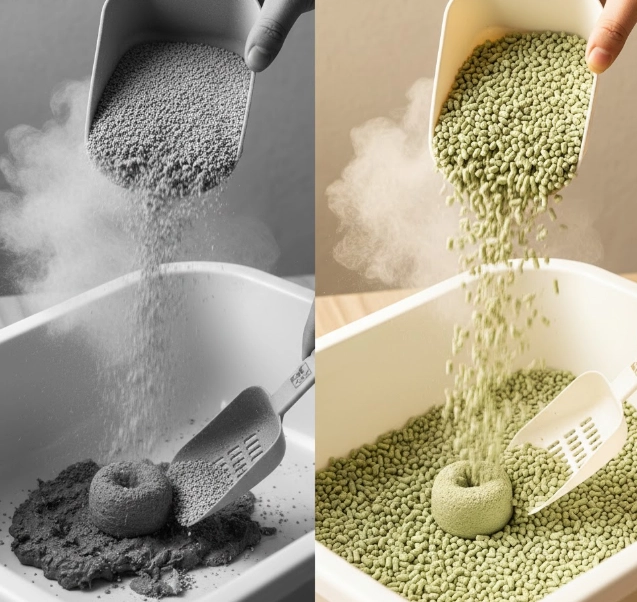
Past the health side, the real everyday task of handling the litter box shows the biggest split between the two types. Clay stands out for its grouping power, but it usually turns into a thick, sticky pile that clings to the box floor. This turns full cleanups into tough jobs that call for hard scraping and wiping. Such routines drain time and energy, often leading to skipped deep cleans that build up odors and bacteria over weeks.
Tofu small pieces handle things in another way. They soak up wetness right away when touched. You end up with clean, solid groups that rest above the main layer. This setup speeds up the removal process and leaves the unused part looking good for more days. As a result, owners spend less time on chores and more on bonding with their cats, creating a smoother flow to pet care that fits into packed schedules without frustration.
Superior Odor Control and Tracking
Bad smells top the list of issues for cat owners. Clay litter often depends on strong fake smells to hide the sharp scent from waste. These added scents can push cats away, given their much keener noses compared to humans. Tofu litter draws on the open build of plant parts to catch smells where they start. It breaks down the odor instead of just hiding it. This natural method keeps the air pleasant without overwhelming scents that might upset sensitive pets or family members, ensuring a balanced home scent that everyone tolerates well.
Another win comes in keeping litter in place. Clay bits are small and light, so they stick in a cat’s paw pads and end up as “grit” on beds and kitchen spots. Tofu pieces come bigger and with more weight. They remain inside the box as needed. This cuts down on sweeping time and lets you relax with your pet instead of chasing stray bits. Overall, these traits make daily upkeep feel light, supporting cleaner floors and less hidden dirt that could affect household hygiene in subtle ways.
The Cost-Effectiveness Myth: Doing the Math
The usual doubt centers on the upfront cost. At first glance, a pack of clay seems less expensive than a fine tofu cat litter. Yet, in 2026, smart buyers look beyond the cost per weight and check the cost over a full month. This broader view reveals hidden savings that turn initial doubts into clear advantages for budget planning.
Clay weighs a lot but works poorly. You need plenty to build a thick enough layer, and since it groups loosely, you toss out much good litter with the bad. Tofu litter stays very light and goes far. One pack can serve a single cat for nearly a month, thanks to the strong and smart grouping. You apply smaller amounts each day, so you purchase fewer packs through the year. This efficiency not only lowers repeat buys but also reduces storage needs in small apartments, making it ideal for urban pet keepers who value space as much as savings.
Saving on Indirect Costs
Think also about the easy disposal side. Many top tofu litters break down naturally and melt in water. This lets you remove solid parts and tiny groups straight to the toilet. It cuts costs on plastic covers and waste bags, and it keeps your outside bin free from the lasting stink of cat waste during warm months. Adding in the time saved and fewer cleaning tools needed, the higher starting price actually leads to overall lower spending. These benefits extend to easier waste management, which helps maintain a tidy home setup without extra trips to the curb or dealing with overflowing bins that attract unwanted pests.
A Small Change for a Big Difference
Changing your cat’s litter ranks as one of the simplest steps to boost life quality at home. This decision respects your pet’s basic behaviors while meeting your wish for a neat, particle-free space. By leaving behind the rough remains of clay digging operations and picking lasting, plant-sourced answers, you help build a stronger tomorrow for the world and your cat. Such choices align with wider goals of green living, where small pet habits contribute to larger efforts in reducing waste and protecting natural resources for future generations.
The move does not need to feel hard. Most cats get used to the new feel in just a few days, above all if you blend the fresh pieces slowly with the old litter. Once you notice the better air and the simple cleanup, you will probably think back on why the change took so long. This adjustment period often strengthens the bond between owner and pet, as cleaner surroundings lead to happier play sessions and fewer interruptions from litter duties.
FAQ
Q: Is tofu cat litter safe if my cat tries to eat it?
A: Yes. A key plus of this type is its use of safe food parts like pea fiber and corn starch. Though not a treat, it causes no harm and beats clay, which might block insides if swallowed. This safety feature reassures owners of curious kittens, preventing vet visits and allowing free exploration without constant watch.
Q: Can I really flush tofu litter down any toilet?
A: Newer pipes manage tofu litter well since it dissolves fast in water. It turns to soft bits almost at once. Still, send small amounts down and review local rules on pet waste in sewers. Following these steps avoids clogs and supports smooth plumbing, keeping household systems running without surprises.
Q: How do I get my cat to switch from clay to tofu?
A: The top way is the “mix shift.” Begin with 25% tofu litter mixed into 75% of the usual clay. Every few days, raise the tofu share. In one to two weeks, your cat will settle into the new feel without upset or misses in the box. This gentle method builds trust, ensuring a stress-free change that sets a positive tone for ongoing pet care routines.
If more questions arise about the switch or finding the right mix for your home setup, contact our expert group. We stand ready to guide you and your cat toward a fresher, safer 2026. Our support covers tips on storage, box placement, and even pairing with other Fat Cat items to create a full care system that simplifies life while maximizing benefits for your furry friend.