


Tofu Cat Litter vs. Bentonite: The Ultimate Eco-Friendly & Odor Control Showdown
2025-12-17Choosing the right cat litter is a daily decision that affects your home’s cleanliness, your cat’s comfort, and the planet’s health. For years, traditional bentonite clay has been the go-to option because of its strong clumping and low upfront price. Today, however, more cat owners are switching to tofu cat litter—a plant-based alternative made from pea fiber, corn starch, and natural binders. Lightweight, virtually dust-free, biodegradable, and often flushable in small amounts, tofu litter promises better odor control and a smaller environmental footprint. This guide compares the two types head-to-head so you can decide which one truly fits your lifestyle and values.
Exploring the Basics of Cat Litter Types
What Is Tofu Cat Litter?
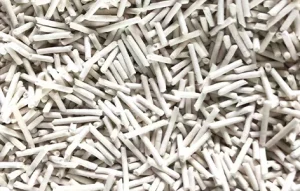
Tofu cat litter is made from natural materials that come from plants, usually including corn flour, pea fiber, starch, and guar gum. Many cat owners like it because it breaks down well in nature and does a good job at controlling smells. You can find it in small pieces or tube shapes, and this litter forms clumps fast and can be flushed in small bits down the toilet, which makes cleaning up quite easy.
Seen as a leading choice for those who care about the environment in the cat litter world, Fat Cat’s Tofu Cat Litter aims at smart owners looking for options that last and are safe for pets. It comes in different sizes like 2.0 mm, 2.5 mm, and 3.0 mm, with smells such as green tea, peach, and plain. Tofu cat litter is kind to the planet, breaks down over time, has no dust and is not harmful, which keeps it safe for people and cats alike.
What Is Bentonite Cat Litter?
Bentonite cat litter comes from a kind of clay that takes in liquids quickly and makes solid clumps. People choose it often because it clumps right away, which helps with scooping every day. Still, it weighs a lot to move around, does not break down in nature, and adds a bunch to trash in dumps. As time goes on, the clay turns into tiny dust bits, which can change the air inside your home.
Environmental Impact Comparison
Sustainability of Tofu Cat Litter
If you think about the earth a lot, tofu cat litter gives you a choice without worry. It uses mainly corn flour, pea fiber, starch and guar gum as starting items. These come from farm leftovers that grow back, and they break apart on their own without hurting the world around us.
Fat Cat’s Tofu Cat Litter picks pure plant parts to cut down even more on harm to the environment, which fits with our goal for growth that lasts. The bags are light and can be reused, making sure each part from making it to throwing it away follows ideas for living in a green way. Plus, since it comes from things we can grow again, it helps save resources that do not come back, and using farm by-products means less waste from food making goes to dumps, which is a win for everyone who cares about cutting down on trash overall.
Environmental Concerns with Bentonite Clay Litter
On the other hand, bentonite clay litter needs mining that strips away land and harms the surroundings. Taking it out ruins areas and uses up stuff that does not renew. Also, bentonite stays around without breaking down and fills up space in dumps. Its heavy load raises the amount of pollution from trucks and ships that move it around, and the dust from mining can spread to nearby places, affecting water and air in ways that last for years.
Odor Control Performance Analysis
Odor Absorption Capabilities of Tofu Cat Litter
One big plus of tofu litter is how well it handles smells from ammonia. It brings a natural scent like green tea or peach, which covers up bad smells in a good way. Some better mixes add things like activated charcoal or natural enzymes that take apart the bits that cause smells right where they start instead of just hiding them.
Fat Cat Tofu Cat Litter does a great job at soaking up and breaking down smell parts, getting rid of the bad scent from cat waste at the base. This helps keep your place fresh even if several cats use the same box, and over days, you notice less need to add fresheners or open windows as much, which makes living with pets more pleasant in small spaces like apartments.
How Bentonite Manages Odor
Even though bentonite traps smells at first by clumping fast around waste, its work gets weaker if you do not switch it out often. After a while, the litter might give off a dusty or old smell, mainly in spots with lots of moisture or little air flow. This means owners have to replace the whole box more times, and in homes with poor air movement, the smells can build up quicker, leading to more work to keep things clean.
Clumping, Cleaning, and Maintenance Efficiency
Cleaning Convenience with Tofu-Based Products
Tofu litter stands out for its light weight and strong clumps that hold together when you scoop them out. Fast clumping creates firm lumps while natural parts hold onto ammonia. It can go down the toilet in small amounts without issues, so you skip putting it in bags for trash.
Fat Cat’s formula cuts down on bits that cats track out and dust that builds up near the box. The even grains feel gentle on your cat’s feet and do not spread much on the floor, which means less sweeping and vacuuming around the area where the box sits, saving time for busy people who still want a tidy home.
Maintenance Needs of Bentonite Clay Litter
Options based on clay ask for more adds on top because they fill up quicker. If you skip scooping each day, clumps can stick hard to the base of the box. The small clay bits usually make clouds of dust when you pour or scoop, which fits less well for places that worry about clean air inside, and over months, this dust can settle on furniture or get into vents, making extra cleaning needed beyond just the litter area.
Health Considerations for Cats and Owners
Safety Benefits of Using Plant-Based Litter Like Tofu
For families that put safety first, tofu litter brings calm thoughts. It has checks to show raw items like corn flour and pea fiber meet standards for food people eat and stay free from chemical leftovers. This keeps it safe if kittens eat some by mistake while they explore.
The setup with little dust helps cats or people who get allergies or breathing troubles easily. Fat Cat keeps tight control in making it to make sure the cat litter has very low dust, and this choice can mean fewer trips to the vet for issues tied to dust, plus it feels better for cats with soft paws that might get sore from rougher litters.
Potential Health Risks Associated with Clay-Based Litters
In comparison, bentonite litters usually have added smells made in labs and let out small dust bits that can bother breathing over time. If cats eat it, especially young ones that clean themselves a lot, clay might lead to stomach troubles or blocks inside, and for owners with weak lungs, the ongoing dust can make conditions like asthma worse, pushing for changes in what litter they pick.
Cost Comparison Over Time
Long-Term Value of Tofu Cat Litter Products
Though tofu litter might ask for a bit more money at first for each bag, its strength and good work give better worth as time passes. You change the full box less often, which lowers costs each month. Being able to flush it also trims spending on handling trash.
You can look into big buys and plans to get it sent often for Fat Cat’s Tofu Cat Litter, which aids in saving cash while making sure you always have some on hand, and over a year, these savings add up, especially if you have more than one cat, as the litter lasts longer without losing its power to clump or control smells.
Budget Implications of Using Bentonite Clay Litter
Even if it costs less at the start per amount, bentonite needs fresh adds more times because it holds smells less well and fills up fast. Extra costs that hide like bills from the vet for problems from dust or more tools for cleaning can grow over time, and if you count the time spent on more frequent changes, it might not save as much as it seems at first glance.
User Experience and Practical Feedback
What Pet Owners Appreciate About Tofu-Based Options
Lots of users like how light the bags of tofu litter are, often under 3kg each, which makes filling the box simpler. Its main part uses picked 2.0 mm tofu litter. This fine size setup not only boosts how well it clumps but also lowers what sticks to paws and gets carried out.
Owners see floors that stay cleaner from less tracking. Comments often point out the good control of smells and how simple it is to keep up with this kind of litter, and many share stories of cats that switch without fuss, enjoying the soft feel that does not hurt their feet like some harder types do.
Common Complaints About Clay-Based Litters
Clay litters get complaints a lot for their big weight, which makes moving and keeping them hard. The trouble from clumps that stick to the box or fine dust that lands around your place often calls for more work to clean, something that homes with tight schedules would rather skip, and in feedback, people mention how the dust can make rooms feel dirty faster, leading to more overall housekeeping.
Making an Informed Choice Based on Lifestyle & Values
When Tofu Litter Is a Better Fit for Your Home
If your place has several cats or you value keeping things green, tofu cat litter provides a neater and safer time for you and your animals. Its simple cleaning and small mark on the earth make it perfect for city living where ways to throw away trash might be few.
You can find out more about pluses of choices that think about the earth like Fat Cat’s Tofu Cat Litter right from their main site, and reading user stories there can help you see how it works in real homes, giving tips on best ways to use it for top results.
Situations Where Bentonite Might Still Be Considered
If tight money is your key worry or you want something quick while on a trip or waiting for a package, bentonite could work for a short time. But, it matters to think about those low costs next to likely ongoing minuses in health and effects on the world, and sometimes mixing it with other types can help bridge gaps without full commitment.
FAQ
Q: Can I flush tofu cat litter down the toilet?
A: Yes, tofu cat litter is water-soluble and safe for flushing in small amounts. Just be sure not to overload your plumbing system by flushing too much at once.
Q: How often should I change tofu cat litter?
A: For single-cat homes, a full change once every one to two weeks is sufficient. For multiple cats, increase the frequency accordingly while scooping daily.
Q: Is tofu cat litter safe for kittens?
A: Absolutely. It’s made from food-grade ingredients like corn flour and pea fiber, making it non-toxic even if ingested by curious kittens.