


Tofu Cat Litter and Mold: How to Store Your Litter in Humid Climates
2026-02-19Many people now turn to green pet products, and tofu cat litter ranks high among them because of its simple makeup and kind impact on nature. You probably like how it breaks down naturally, goes down the toilet, and has far less dust than old clay kinds. Yet, the fact that it comes from plant parts brings one clear issue: it picks up water easily. If your area has lots of damp air or long wet weather, you might see the litter box go bad quicker than you think. This happens often in places like coastal towns or rainy spots, where the air stays heavy with water. Owners there learn fast that extra steps make a big difference in keeping things fresh. By paying attention to these details, you avoid common problems and enjoy the perks longer.
The plant stuff in tofu litter offers real pluses, but it calls for fresh ways to store and care for it when compared to rock-based types. When you pick something from soybean leftovers, you handle a living-like item that connects with the world around it. This link often works well, giving strong smell block and solid grouping, but too much water in the air can start mold if you skip checks. This guide shows you how to handle these parts so your space stays neat and your pet feels good. It covers simple tricks that fit any home, no matter the weather outside. In the end, these habits build a routine that saves time and worry over the months.
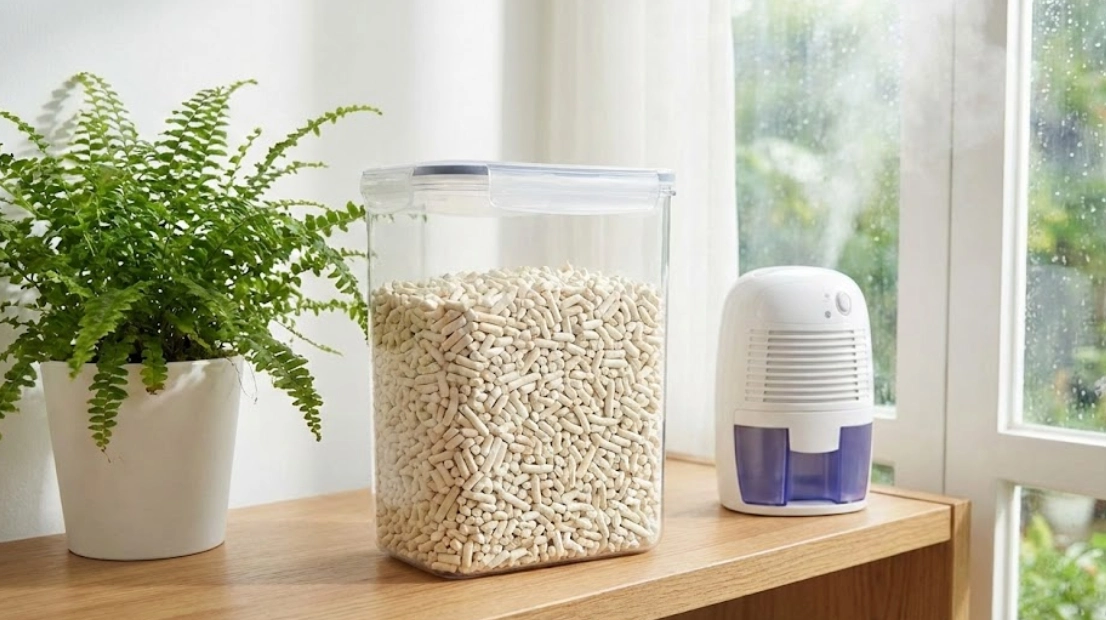
Why Tofu Litter Reacts to Environmental Moisture
To handle your litter right, you need to know what goes on small-scale when plant parts touch damp air. Good tofu litters mostly use okara, the tough fiber left after working soybeans. These parts have open holes, which is why they grab liquid waste so well. But those holes take in pee from cats and steam from the sky the same way. In spots where dampness stays over 60%, the litter starts to draw water from the air around it. This pull happens slowly at first, but it builds up in closed spaces like cabinets or boxes. As a result, what starts as a dry bag turns soft and risky without notice. Understanding this helps you spot early signs and act before trouble grows.
Once the litter fills with air water, its main job of grouping gets weak. You may see groups turn mushy or the dry litter feel wet when you touch it. This sets up a spot where mold bits can grow. Mold lives on chances, needing food like plant fiber, some heat, and wet spots to spread. By watching water levels in your keep area and the box itself, you stop those bits from starting at all. This control keeps the litter working as it should, day after day. Plus, it means less waste and more value from each bag you buy. In busy homes, these small changes add up to a cleaner setup overall.
The Biological Components of Tofu Litter
Tofu litter works so well thanks to its big amounts of starch and protein, which aid in natural grouping. These same parts draw mold bits looking for a base to grow on. If you leave a bag open in a wet cellar or steamy wash room, the plant stuff starts to break down bit by bit. This is not a problem with the item but proof of its real roots. Unlike sand or clay, which act like stones, tofu litter feels active in a way, so you treat it more like food than rock. This view changes how you store it, turning what could be a headache into an easy task. Owners who get this point often share how it makes pet care smoother and less stressful.
How Fat Cat Tofu Cat Litter Protects Your Home
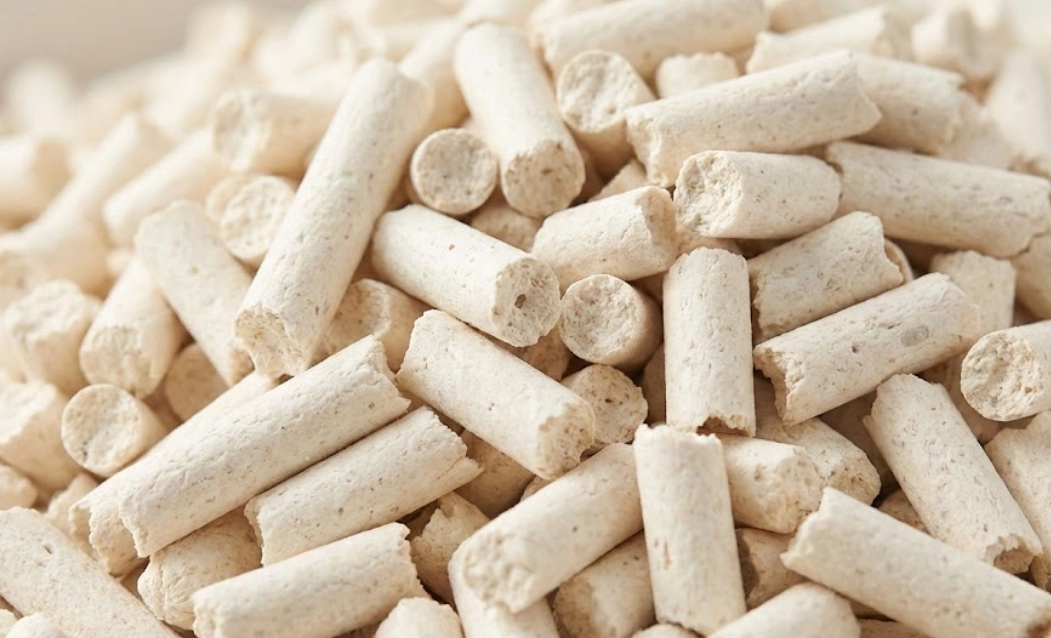
Picking a top brand means you get build work that thinks about weather changes. Fat Cat Tofu Cat Litter gets made to cut down risks from dampness. The making steps include hot drying and special cleaning so the water inside the small balls stays very low when packed. This makes a product that pulls waste water first before air steam. Such care shows in how it holds up, even in tough spots. Users notice the difference right away, with boxes staying fresh longer. This reliability builds trust, especially for those in wet areas who tried other brands before.
Also, the strong shape of the balls fights mold well. Low-cost tofu litters break into fine bits, and that powder gives lots of room for water to stick. Fat Cat keeps a steady ball form that lets air move between pieces, even in the tray. This plan helps the litter dry out and work better for more time, no matter the outside wet. In practice, it means fewer changes and less mess to clean. Cats like the feel too, as it stays light under their feet. Over time, this leads to happier pets and easier days for you.
The Importance of Specialized Packaging
A key win with Fat Cat comes in how it gets to you. Basic brands often use plain plastic sacks with tiny holes or loose tops. Fat Cat uses tough, air-pulled seals. By taking out air before sending, the company keeps litter from water on the trip or in storage. When you open a new one, it starts perfect, even if the air outside feels thick. This step alone saves many from early mold issues. It also means you use the full bag without loss, cutting costs in the long run. For stores or homes buying in bulk, this packaging makes handling simple and safe.
Strategic Storage Solutions for Humid Climates
After opening a litter bag, it faces the air right away. In dry places, just folding the top might work, but in wet ones, you need active steps. The aim is to block the plant parts from heavy water air. The best way does this with extra hold boxes. These methods fit any space, from small apartments to big houses. By planning ahead, you keep supplies ready without worry. This foresight turns storage from a chore into a quick check.
Skip leaving litter in the first bag; move it to a tight plastic or glass box. Pick ones with soft ring seals on the top; they keep food good and do the same for cat litter. Seal it firm after each time, so only a bit of trapped air touches the balls. This easy way can make your stock last twice as long. It works well in steamy kitchens or bath areas too. Plus, clear boxes let you see levels fast, helping you plan buys better. In the end, it saves money and space while keeping quality high.
Elevation and Temperature Control
The spot for your hold box matters as much as the box. Never put litter right on a hard floor like in a car spot or under house. Hard floors soak water and can drip, pulling earth wet up into the bag bottom. This makes a wet small area at the base, where mold often starts. Always lift bins or bags to a shelf or wood stand. This lift stops ground pull and keeps things dry. Simple racks from stores work fine and cost little. By doing this, you avoid hidden wet that ruins stock quietly.
Heat also shapes how water acts. Hot air carries more water than cool. If you keep litter in a warm, closed shelf, the wet inside can jump high. Go for a cool, dark spot with good air flow. A food closet or inner room with steady temp is best. Steady heat stops water drop cycles that help mold. In hot summers, fans or open doors add help without much work. This balance keeps litter ready and your home free of bad spots. Over seasons, it builds a system that handles changes well.
Managing the Litter Box for Maximum Freshness
Care does not stop when litter hits the box. The tray faces new water from your cat all the time, making it the weak link. In damp homes, pee groups dry slower than in dry lands. This hanging wet can touch clean litter near it. To stop this, step up your clean times. These routines fit daily life and keep things top shape. With practice, they become second nature, leading to less hassle overall.
Clean twice each day as the main rule, above all in warm or wet times. Quick removal of wet groups stops water from spreading in the tray. Also, think about litter amount in the box. In super damp spots, a bit less layer with more changes beats a deep fill that waits a month. This way keeps surface dry and groups strong. It also cuts smell build and makes scoops easier. For multi-cat homes, it spreads load and keeps peace. In the long view, it means healthier pets and a nicer space.
Choosing the Right Location for the Tray
Hiding the box in a bath or wash room seems smart to keep it out of view. But those rooms hold the most wet in any house. Shower steam or dryer heat can soak tofu litter fast. To get full use from your Fat Cat items, put the tray in a room with steady air move, like a main room or hall. Such spots let wet escape naturally, keeping litter light. If closed areas call, add a small dry machine close by. Open-top boxes beat covered ones in wet weather. Covered types hold cat breath and waste water, making a wet house inside. Open ones let dry out better and keep top dry for cat feet. This choice boosts comfort and cuts health risks. Owners find cats use them more, fixing box skips.
Recognizing and Responding to Mold Growth
Best plans sometimes lose to weather. Check litter often for color shifts or odd smells. Mold on tofu shows as tiny gray, green, or white soft spots, or a strong, old smell not like pee gas. If signs appear, skip picking just bad parts. Mold bits hide and cover the whole tray once seen. Quick action stops spread to air or pet. Regular looks catch issues early, saving time later. This watch fits weekly chores and keeps trust in your setup.
For mold, do a full clear out. Empty all, clean tray with safe wash for pets, and dry it full before new Fat Cat litter. Many miss drying the tray; even drops at bottom can spoil fresh stuff. Use cloth to make plastic bone dry first. This full step resets clean and stops repeat. It takes effort but pays in long health. After, track what caused it, like high wet, to fix next time. With care, these events drop rare, letting you enjoy benefits steady.
Long-Term Health Benefits of Dry Litter
Keeping litter dry goes beyond cash save or smell cut; it ties to your cat’s ongoing good shape. Cats clean themselves a lot. Wet or moldy box steps mean bits and germs stick to feet, then go in mouth while grooming. Also, mold in air can bother breathing, cause sneezes, and wet eyes in cats and people. Dry ways build a safe wall in home. Top tofu litter’s pull and group make dry keep easy. Right item plus steady store habits give green wins without wet downs. This mix leads to fewer vet trips and more play time. In homes with kids or allergies, it adds peace by cutting hidden risks. Over years, it shapes better pet bonds and home life.
By picking strong products like Fat Cat and sticking to these store tips, you make a clean base. The better pull and group of fine tofu litter ease dry keep. When you match good stuff with firm habits, you get all plant perks free of damp mold pulls. This path fits busy lives, turning care into simple wins. Users share how it changes views on pet items, making green choices stick. In the end, it creates a home where health comes first, for all inside.
FAQ
Q: Can I use silica gel desiccant packs in my cat litter storage bin?
A: Yes, adding a few big silica gel packs in your tight hold box pulls any left water well. Just put packs at bottom or stick to lid inside so they stay out of the tray where cat could reach. This add keeps air dry extra, fitting wet spots fine. Change packs when full to keep work going. It costs little but adds big protect for stock. For large bins, more packs help cover all space even.
Q: How long does an opened bag of Fat Cat Tofu Cat Litter typically last in a humid environment?
A: In a tight box in cool, dry spot, an open bag holds full power for three to six months. But if left open in wet room, group work drops in two to four weeks. Seal tight right after use always. This time frame helps plan buys and cuts waste. In hot wet, check monthly to catch changes. With good store, you stretch each bag far, saving cash over time.
Q: Does the scent of the tofu litter (like green tea or peach) affect its mold resistance?
A: The smell does not change fiber fight to mold much. Yet, plant adds in smell types can warn early; if litter’s own scent turns or gets sharp, it means water too high and box needs new fill. This sign helps spot issues fast without tools. Pick scents you like, but watch for shifts same way. It ties to overall care, keeping things fresh and safe for pets.