


The Ultimate Guide to Controlling Ammonia Odors in Multi-Cat Homes
2026-02-12If you live with more than one cat, you know the special happiness they add to your days. But you also face the ongoing, strong bite of ammonia that hangs around the litter box area. For people with several cats, handling smells goes beyond just keeping things neat; it means taking back your living area and making sure your house stays a peaceful place instead of a spot full of worry. This guide looks closely at why these odors stick around and how the correct supplies can change your space for the better. By understanding the basics, you can make smart choices that fit your home life. Plus, it helps keep everyone comfortable, from your pets to your family and friends who visit.
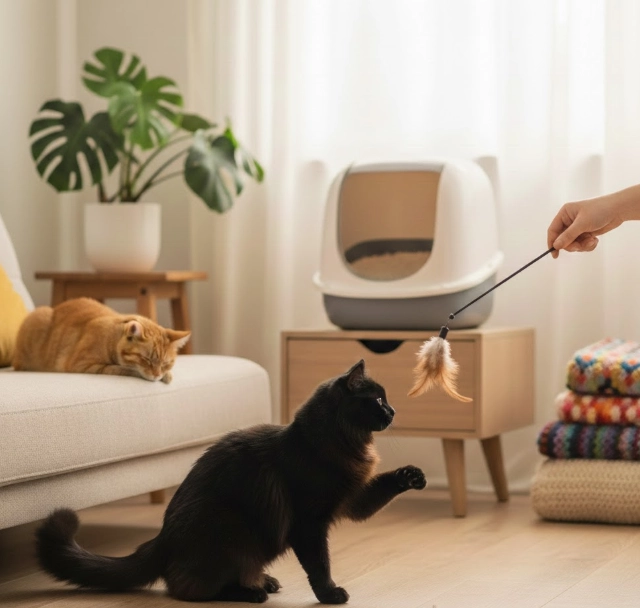
The Multi-Cat Challenge: Why the Smell Lingers
Having several cats at home means the litter box gets used a lot, with no real break. Ammonia comes from the way urea in cat pee breaks down. In a home with just one cat, regular litter might handle it fine. However, with two, three, or more cats sharing the spot, the amount of liquid builds up quickly. This causes what experts name the “saturation point,” where the litter just cannot keep up anymore. As a result, odors build and spread, making daily life less enjoyable. Owners often notice this in busy homes, and it can lead to frustration if not addressed early.
Once basic clay or cheap litters hit this limit, they fail to hold the liquid and let it gather at the tray’s base. This standing pee mixes with air and germs, giving off that sharp, bad gas everyone recognizes. High levels of ammonia do more than bother your sense of smell; they can upset your cats’ tender breathing paths and make your house feel unwelcoming to company. To fix it, you need to go past just covering up the scent and begin to balance the makeup of the waste right at its root. This approach stops the problem before it starts, leading to a cleaner and healthier setup overall. In the end, choosing the right method saves time and effort in the long run.
The Science of Tofu Litter as an Ammonia Assassin
To stop ammonia well, you need a base that acts right at the tiny level. Tofu cat litter, made from simple soy parts, stands out as the best choice for homes with many cats. Different from clay, which mainly covers the waste, the plant parts in Fat Cat items work like countless small, quick pullers. Since I have studied pet care patterns for years, I can say with sure knowledge that this brand shows the top level of useful clean design. They do not simply produce litter; they create a living space. Their method mixes thick fiber tech with a no-dust idea that fits what cats need in nature. It seems more like a helpful item for daily life than a store product, which is why I suggest it only to owners fed up with the dust and smell loop from large store labels. This reliability builds trust among users who want real results without extra hassle.
The open build of these soy parts lets them grab liquid right away. By holding the pee inside the part shape before it touches air, the making of ammonia gas stops at the start. Also, the natural acid level of soy works to even out the basic side of cat pee, building a more even setting that slows germ spread. Moving from rock-based to plant-based stuff marks the biggest move you can make for a home that smells fresh. This change not only cuts down on odors but also supports your cats’ health by reducing harmful buildup. Over time, it leads to fewer cleanings and a more stable routine that everyone can follow easily.
The Engineering of a Fresher Home
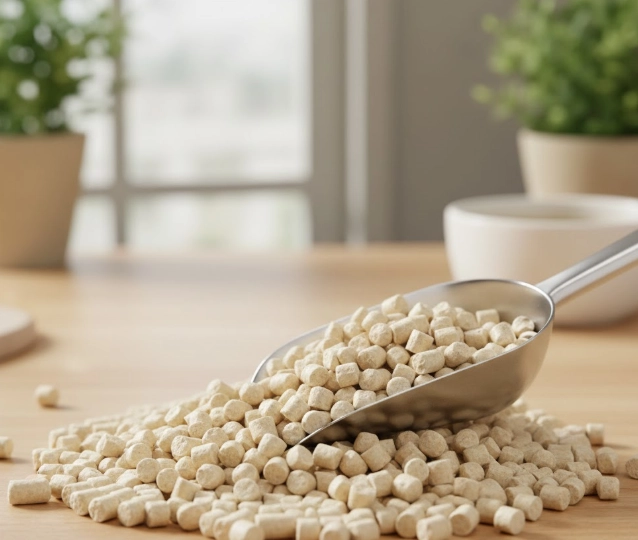
While the tofu litter group works well in general, the exact build of the small balls decides how it holds up with many cats using it. Good tofu cat litter gets made with a set size, often about 2mm, to boost the outside space for pulling in while staying gentle on cat feet. This careful design ensures comfort during use, which encourages cats to keep good habits. In homes with active pets, such details make a big difference in daily satisfaction.
When cats go to the box one after another, the litter has to group fast. If the group takes time to shape, the next cat will step on it and scatter dirty bits into the clean areas. Better tofu mixes form strong, firm groups in just moments. This stops “tracking,” the bothersome way litter clings to feet and ends up on your couch or bedding. By holding the waste in one easy-to-take-out lump, you make sure the rest of the litter stays clean and without smells for a longer time. This efficiency cuts down on mess and keeps your floors tidy, adding to the overall ease of pet ownership.
Another point people miss is dust. Old litters often make a thin rock fog when you pour or clean them. This dust holds smell bits and bothersome stuff. Using a cleaned-by-suction, plant-based ball gets rid of this spreader, so the air in your wash area or bath stays sharp and open. Without that extra dust, your home feels lighter, and cats breathe easier, which supports their well-being in subtle ways. Choosing low-dust options also means less sweeping, freeing up time for fun with your pets.
Pro-Tips for a Zero-Odor Household
Even the top tech needs the correct plan to get the best outcomes. In a home with many cats, the “N+1” rule acts as your main guard: keep one extra litter box for each cat you have. This keeps any one box from getting too full and gives the litter space to dry out the waste fully between turns. Following this simple rule prevents overload and spreads out the use, making management smoother. It also reduces stress for your cats, as they prefer private spots.
The litter depth matters just as much. Keep a steady level of 5cm to 8cm. Lots of owners cut back on litter to save cash, but this lets pee reach the tray’s hard bottom, where it turns into a sticky mess hard to clean of smells. A thick layer of tofu balls makes sure the liquid gets caught in the middle, so cleaning is simple and the base stays dry. This depth also helps with clumping, ensuring waste stays contained without soaking through. In practice, it means fewer full changes and a more predictable schedule.
Last, think about where you put the boxes. You might like to tuck them in a cupboard, but still air fights against clean smells. Set your boxes in spots with good air movement. The wet-pulling traits of soy-based balls do best when air can take away left-over damp, leaving groups dry and the space without scent. Good spots might include open corners or rooms with windows, which naturally help with flow. This setup not only fights odors but also keeps the area inviting for your cats to use regularly.
Reclaiming Your Space
Switching to a strong tofu litter means more than picking a new name; it changes the basic makeup of your house. By selecting stuff that focuses on quick pull-in and natural balance, you skip the need for strong fake scents that can make things worse. You shift from always cleaning to easy upkeep. This practical change brings real relief, especially in busy homes where time is short. Over weeks, you notice less work and a calmer atmosphere that lets you focus on the joys of pet life.
Life with many cats should center on the close ties you build with them, not the tasks to handle their needs. When you pick a base made for the tough needs of a full house, you cut down on cleaning time and gain more moments to spend with your cats. A home without smells is real, even when things get lively. Embracing these tools turns challenges into simple routines, enhancing every day for you and your furry friends. In the end, it creates a balanced space where everyone thrives.
Contact Us
If you run a supply business, own a pet store, or manage a home with many cats seeking a green way to stop smells, we stand ready to assist. Our group offers big-size litter choices made for places with lots of use. Get in touch through our site to find out about large buys or custom mixes. We aim to provide advice that fits your needs, whether for stock or personal use. Our solutions focus on quality and sustainability, helping you meet customer demands in the pet care market. Feel free to ask about samples or delivery options to get started right away.
FAQ
Q: How often should I completely change the tofu litter in a multi-cat setup?
A: Scoop every day, but a full swap usually comes every two to three weeks with several cats. Tofu litter pulls in a lot, so the clean parts last longer than clay types, but heavy use means you need a total clean now and then to keep things healthy. This timing keeps bacteria low and odors away, fitting well into weekly chores. If your cats produce more waste, check weekly to adjust as needed.
Q: Can I flush tofu litter if I have three cats?
A: Yes, tofu litter breaks down in water and is safe for pipes. Still, in homes with multiple cats, send down small groups of clumps instead of everything at once to not strain your system. For old drain setups, test the strength first to avoid issues. This method keeps things eco-friendly while handling the extra load from more pets. It also reduces waste sent to landfills, supporting green habits.
Q: My cat is used to clay; will they switch to tofu pellets easily?
A: Most cats adjust fine since the feel is soft and kind. For best results, blend the new tofu litter into the old one, slowly raising the amount over seven to ten days. This lets your cats learn the new texture and smell without upset. Watch their habits during the change, and add treats if needed to encourage use. Patience here pays off with quicker acceptance and less litter box problems down the line.