


Private Label Cat Litter Lines for 2026: Cassava, Tofu, and Silicone from a Factory Source
2026-10-15
For wholesalers, pet product distributors, and private label brands, cat litter is no longer a simple repeat-purchase item. Buyers now ask for cleaner materials, lower dust, stronger odor control, better packaging, and more stable production. Recent cat litter news also shows that retailers are paying closer attention to product claims, raw material quality, and factory reliability.
At Fat cat, we work with cat litter buyers who need more than a basic product list. Our products include cassava cat litter, tofu cat litter, and silicone cat litter. For B2B customers, the goal is clear: build a private label litter line that is easy to sell, easy to explain, and stable enough for repeat orders.
Why B2B Buyers Need a Complete Cat Litter Line
A single cat litter product can work for a small launch, but most wholesale and private label buyers eventually need a wider line. Different markets have different user habits. Some customers want plant-based litter. Some care most about odor control. Others need low dust, strong absorption, or a litter that suits apartments and multi-cat homes.
Cassava, Tofu, and Silicone Serve Different Buyers
Cassava cat litter is a strong option for brands that want a natural product with fast clumping and clean scooping. Fat cat cassava litter uses cassava-based material, forms firm clumps, and does not add sand. This is useful for buyers who want a plant-based product that reduces sticking to fur and helps keep the litter box cleaner.
Tofu cat litter is suitable for brands that want a plant-based product with strong deodorizing ability. Our tofu litter is made with materials such as corn flour, pea fiber, starch, and guar gum. It is designed for clumping, low dust, and odor control. Standalone tofu litter can support flushable positioning when local rules and product testing allow it.
Silicone cat litter gives a different selling point. It uses food-grade silica gel and activated carbon, with strong liquid absorption and odor locking. It is useful for customers who want a low-dust, long-lasting option.
A Product Line Helps Buyers Cover More Retail Scenes
A distributor selling to supermarkets, pet stores, or online channels often needs several SKUs. For example, cassava litter can target natural clumping. Tofu litter can target odor control and easy cleaning. Silicone litter can target high absorption and low dust.
Fat Cat Factory Advantages for Private Label Buyers
When buyers search for fat cat factory, they are usually not only looking for a supplier. They want to know whether the manufacturer can support product development, quality checks, packaging, and export communication. These factors decide whether a private label order can become a long-term product line.
Factory, R&D, and Export Experience
Fat cat is located in Yantai, Shandong, China, close to Yantai Port and Qingdao Port. Our factory covers about 6,000 square meters and includes standard production buildings, laboratory facilities, and production equipment. We focus on the design, development, production, processing, and service of pet cat litter products.
More than 95% of our products are exported to overseas markets, including the United States, Europe, Japan, South Korea, Singapore, Malaysia, Dubai, and Brazil. This export background helps us understand what B2B buyers care about: stable production, clear specifications, packaging communication, and reliable shipment planning.
Quality Control Reduces Private Label Risk
For private label litter, unstable quality creates direct business risk. A buyer may receive good samples but later face weak clumps, extra dust, broken particles, or moisture problems in bulk orders. This is why factory quality control matters.
Fat cat pays attention to raw material selection, particle size, dust control, clumping strength, moisture management, and deodorizing performance. For tofu cat litter, formaldehyde and aflatoxin B1 testing records have shown not detected under the listed test methods. This kind of quality work supports safer product claims and more confident B2B communication.
Cassava Cat Litter for Strong Clumping and Less Fur Sticking
Cassava litter is becoming more attractive because buyers want plant-based products with practical performance. A natural story is useful, but it is not enough. The litter must still clump well, scoop cleanly, and satisfy daily users.
Why Cassava Works for Private Label Products
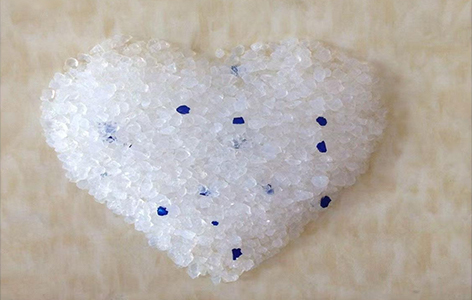
Fat cat cassava cat litter is designed for quick clumping and low dust. It does not use added sand, which helps create a cleaner selling point for private label brands. The clumps are firm, and the product is made to reduce sticking to fur. This matters for cats with longer hair and for homes where litter tracking is a frequent complaint.
Buyers should also understand cassava cat litter quality variation. Cassava litter performance can change when raw material quality, drying level, granule size, or storage conditions change. A serious manufacturer should control these factors before production and during batch checks.
Cassava Is Not Only a Comparison Topic
Many articles discuss cassava vs tofu cat litter, but B2B buyers need more than a simple winner. Cassava can be positioned around clumping, cleaner scooping, and reduced fur sticking. Tofu can be positioned around deodorizing and flushable convenience when used as a standalone tofu product.
For private label brands, the better question is how each product fits a retail price point, customer habit, and packaging plan.
Tofu Cat Litter for Odor Control and Flushable Positioning
Tofu cat litter remains important because it matches several consumer needs at once. It is plant-based, low dust, easy to clean, and strong in odor control. For small apartments, that combination is highly valuable.
Tofu Cat Litter Pros and Cons for B2B Sales
The key tofu cat litter pros and cons should be explained clearly in product pages and packaging.
Main advantages include:
Strong odor control
Low dust
Plant-based ingredients
Good clumping
Paw-friendly particles
Flushable use for standalone tofu litter where allowed
The main limitation is moisture sensitivity. Tofu litter should be stored in a dry place and sealed after opening. If it absorbs moisture before use, the risk of moldy cat litter can increase. This is not only a product issue; it is also a packaging and storage issue.
Tofu Litter Packaging Should Protect the Formula
For tofu litter, packaging must do more than look attractive. It should help protect against humidity, support clear shelf display, and explain use instructions. Resealable bags, moisture-resistant materials, and clear disposal wording can improve the customer experience.
Fat cat can support private label discussions around packaging format, bag size, carton marks, product claims, and export packing. Buyers can review more products on our products page or contact us through the contact page.
Mixed Cassava and Tofu Litter for Balanced Performance
Cassava and tofu litter can be mixed to balance clumping, wrapping ability, and odor control. This direction can be useful for brands that want a more complete plant-based litter experience.
Mixed Formulas Need Clear Disposal Claims
The important point is disposal. Even if standalone tofu litter can be flushed directly under suitable conditions, a cassava and tofu mixed formula should not be promoted as flushable unless it has been specifically tested and approved for that claim.
For B2B buyers, this is a serious labeling issue. Clear instructions reduce customer complaints and protect the brand. A mixed formula can be positioned around clumping, odor locking, cost performance, and cleaner scooping, but it should be marked as non-flushable unless verified.
Silicone Cat Litter Adds Another Product Layer
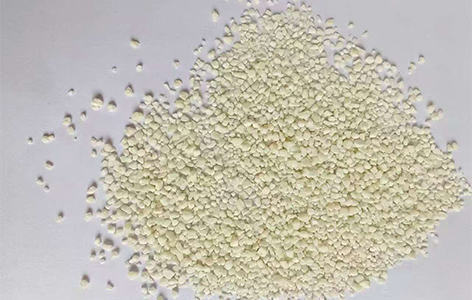
Silicone litter is useful for brands that want a different material option beyond plant-based litter. It is lightweight, low dust, absorbent, and good at locking odor.
Silicone Litter Supports Long-Lasting Odor Control
Fat cat silicone cat litter uses food-grade silica gel and activated carbon. It is designed for moisture absorption and odor control. It can suit multi-cat homes, sensitive cats, and users who prefer less frequent full litter replacement.
However, silicone litter should not be flushed. It needs clear disposal guidance. For private label brands, this makes packaging and instruction wording very important.
Conclusion
A strong private label litter line should connect product performance with factory capability. Cassava cat litter can support fast clumping, less sticking to fur, and a no-added-sand selling point. Tofu cat litter can support odor control, low dust, and flushable positioning when used as a standalone tested product. Silicone cat litter adds a high-absorption option for buyers who want a wider product range. At Fat cat, we combine factory production, R&D, quality control, packaging support, and export experience to help wholesalers, distributors, brand owners, and private label customers build cat litter products that are easier to sell and easier to reorder.
FAQs
Q: Can cassava and tofu litter be flushed together?
A: No. Mixed cassava and tofu litter should be treated as non-flushable.
Q: What package sizes are suitable for private label litter?
A: Common options include 6L, 7L, and 2.5kg, depending on market needs.
Q: Is tofu cat litter suitable for odor control?
A: Yes. Fat cat tofu litter is designed for odor control, low dust, and daily scooping.