


How to Stop Cat Litter Tracking Once and for All: 7 Tips
2026-03-26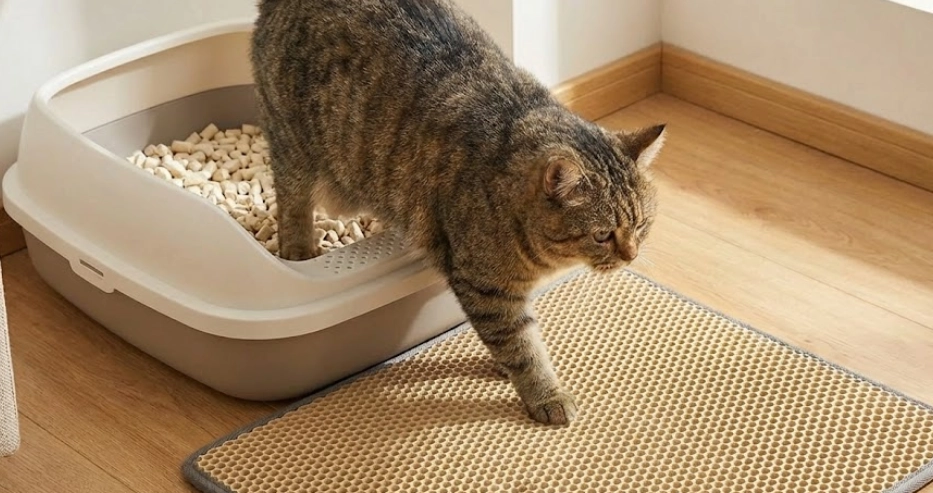
The annoyance of spotting cat litter in your bed, on your kitchen counters, and under your bare feet is a common issue for nearly every cat owner. You desire a tidy home, yet you also desire a content cat. Often, these two aims appear to conflict. Most standard litters focus on ease or low price, but they seldom emphasize remaining within the box. When you select a brand like fat cat, you soon see that the answer rests in a mix of clever material knowledge and wise home care. Halting the disorder does not involve scrubbing more frequently; it involves picking items that stay put in the litter area from the start. This approach saves time and effort, allowing you to enjoy your space without constant worry about scattered bits. In fact, many owners report a noticeable drop in cleaning tasks after making such changes, which leads to a more relaxed daily routine for both pet and person.
The Physics of the Mess: Why Small Grains Fail
Before addressing the tracking issue, you need to understand its cause. Most clay-based litters include small, uneven bits. These pieces are light and tiny, so they slip easily into the gentle folds of your cat’s paw pads. Each time your cat leaves the box, it brings along many of these small riders. If your cat has lengthy fur, the electric charge in its coat draws these dusty particles like a pull. This simple process explains why floors end up covered, turning what should be a minor task into a daily battle. Over time, this buildup can even affect air quality in the home, as fine dust settles on surfaces and gets stirred up again.
The secret to cleaner floors lies in moving to bigger piece sizes. Larger bits weigh more and offer less sticking space compared to their mass, so they cling less to hair or skin. This basic idea shapes the low-tracking options from fat cat. By paying attention to the form and heaviness of the litter, you can remove the “sandy shore” feeling from your sitting room. Such designs not only cut down on mess but also promote better health by reducing dust in the air, which benefits everyone in the household, including those with allergies.
Upgrade to Fat Cat Tofu Cat Litter
The strongest method to fight tracking is to change to a substance that cannot attach to paws physically. Here, tofu cat litter serves as your top partner. Unlike clay that crumbles into thin powder, tofu litter forms into uniform, firm balls. These stretched forms are made to be too big to squeeze into the spaces between a cat’s toes. This thoughtful engineering ensures that even active cats leave the area with clean feet, preventing the spread of particles throughout your living spaces. Owners who switch often notice immediate improvements, with less time spent sweeping and more focus on enjoying their pet’s company.
After your cat completes its task and jumps from the box, these balls just drop back inside the pan. Even if some escape, they stand out clearly and lift easily, unlike the thin mud of usual litters that grinds into rugs. Moreover, fat cat makes certain that this tofu option provides great liquid uptake. Since the balls draw in fluid right away, the base of your cat’s paws remains dry. Dry paws avoid grabbing litter. It forms a basic, clear sequence of events that brings a much tidier house. This efficiency extends to waste management too, as the litter holds together well during removal, minimizing spills and odors that could otherwise linger.
Harness the Power of Fat Cat Cassava Litter
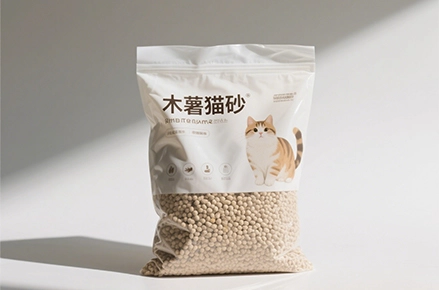
Certain cats fuss over the feel beneath their feet and may push back against the bigger balls of tofu. If your pet likes a gentler, more usual touch, cassava litter offers a top-level choice without the tracking trouble. Cassava comes from a root full of starch that binds more solidly than nearly any other option available. This natural strength means it performs reliably in busy households, where multiple cats or frequent use might test lesser products. By choosing such durable materials, you invest in long-term convenience that aligns with both your cat’s preferences and your cleaning needs.
The advantage against tracking stems from the solid binding of the clumps. In cheaper litters, the groups fall apart during scooping or digging by the cat. This produces “tiny waste”—small, soiled fragments that fit perfectly for spreading. Since the cassava choices from fat cat form very tough clumps, the other litter in the box keeps its fresh state and original larger size. You skip the breakdown of the material, which keeps the litter weighty enough to stay inside the box. It delivers a fine encounter for the cat while upholding the strict cleanliness levels you want for your home. This balance ensures that your space remains inviting, free from the irritation of constant tidying.
The Double-Guard Strategy: Anti-Tracking Mats
Even using the finest litter, some loose bits might slip out during an energetic scratch period. This is where your tools step in. You ought never to set a litter box straight on a firm floor or thick rug without a shield. A good anti-tracking mat works as an extra screen for your cat’s paws. These items, when selected wisely, extend the life of your flooring and reduce the need for deep cleans, making them a smart addition to any pet-friendly setup.
Top mats feature a two-part grid pattern. As your cat crosses the mat, the flexible rubber bumps lightly open their paw areas. This motion frees any caught pieces of tofu or cassava, which drop through the openings to a holding layer underneath. By the point your cat hits the mat’s end, their paws feel clean. When pairing these mats with the weighty bits from fat cat, you build a “cleaning” action that grabs almost all possible spread before it moves further. This setup not only keeps floors spotless but also encourages your cat to use the box more consistently, as the process feels natural and unhindered.
Optimize Box Geometry: High Walls and Top Entry
The shape of the litter box matters greatly in the amount of scraps that reach your floor. With a low, open container, your cat will naturally toss litter beyond the edges. This holds true especially for cats that dig strongly. To halt this, adjust the way out. Proper box choice can transform a chaotic area into an orderly one, where mess stays managed and your home feels more harmonious.
Boxes with tall sides or top-access openings excel at controlling disorder. A top-access box makes the cat leap up to leave. This up-and-down action, along with a rough cover, lets gravity remove extra litter. When the cat touches down on the floor, the litter has dropped back inside or stuck in the cover’s lines. Filling these tall-sided boxes with fat cat balls creates a strong defense against ground scraps. The jump’s science and the large-bit litter’s weight team up to hold the mess in place. Such designs suit various home layouts, from apartments to larger houses, ensuring versatility for all owners.
Strategic Placement and the Buffer Zone
The spot for the litter box counts as much as its contents. Many folks hide the box in a tight spot or tiny washroom where the cat steps right into a passage. This leads to a fast dash out, with litter along for the ride. To avoid this, set up a “buffer area.” Thoughtful positioning minimizes surprises and integrates seamlessly into your daily life, fostering a peaceful coexistence with your pet.
Place the box facing a wall or angle, so the cat must cross a few feet of padding or a set “clean path” before entering the main house. These added steps prove essential. They allow the anti-tracking mat extra moments to function and let the cat shake its paws. Employing a strong brand like fat cat in a well-placed box guarantees the litter remains in its assigned spot. Picture it as a entry area for your cat; they require a place to “clean off” before joining the key rooms. This method not only curbs tracking but also respects your cat’s natural movements, enhancing overall satisfaction.
Humidity Control and Paw Maintenance
Not many owners know that home conditions influence litter spread. In moist settings, paws get a bit wet, causing even big litter pieces to adhere to fur. Fine natural litters, like those at fat cat, aim to dry out quickly. They draw dampness from the top fast, keeping the area arid. Understanding this aspect helps in creating an environment that supports low maintenance, where environmental factors work in your favor rather than against it.
You should also watch your cat’s care routine. Cats with long coats frequently grow “toe fluff”—extended hairs between pads. These act like a sweeper, picking up litter and moving it around the house. Trimming this hair keeps it brief, cutting the spots where litter can hold. Pairing steady grooming with the strong damp-pulling traits of fat cat items removes the “grip” that causes spread. Regular attention to these details builds a comprehensive strategy, ensuring long-term success in keeping your home free of unwanted litter trails.
By applying these seven suggestions, you move from constant fixing to upfront stopping. You need not accept a dusty, rough home simply for owning a cat. With suitable bit size, proper box arrangement, and the correct brand, you gain a spotless living area and a joyful, fit pet. This holistic view not only solves immediate problems but also promotes better pet health and owner well-being over time.
FAQ
Q: Will switching to a larger grain like tofu litter bother my cat’s paws?
A: Most cats get used to tofu litter in no time. The balls provide enough firmness to stop tracking yet enough softness to feel good under a cat’s step. If your cat shows extra care, ease the switch by blending it with the old litter across a week. This gentle method helps maintain trust and reduces any stress during the adjustment period.
Q: How often should I clean the anti-tracking mat?
A: To get the best outcome, shake or suck up the mat every two to three days. With fat cat tofu or cassava litter, the bits stay large and do not embed in the mat, so returning them to the box proves simple and cuts down on product loss, which helps your budget in the long run.
Q: Does cassava litter smell more than clay because it is natural?
A: In truth, the reverse often occurs. High-end cassava and tofu litters boast strong natural smell-blocking features. As they bind tightly and take in dampness swiftly, they seal in sharp odors far better than many added-scent clay types, which mainly cover the issue with fake aromas. This natural control leads to a fresher home without relying on chemicals that might irritate sensitive noses.