


Cat Litter for Kittens: What’s Safe and What to Avoid (Non-Toxic Guide)
2026-03-12Welcoming a young kitten into your living space starts an exciting adventure filled with fun moments, yet it also carries a range of duties that come with caring for such a delicate creature, and as someone new to raising a pet, you might find yourself busy securing loose wires around the house and picking out the finest nourishment available to support healthy growth. That said, among all the choices you face, one stands out as particularly important because it involves the material your kitten will touch and use several times each day, which is their cat litter, since these playful animals love to investigate everything around them mainly by putting things in their mouths, a natural instinct that turns the safety of that litter into a key concern you cannot overlook if you want to keep your pet out of harm’s way.
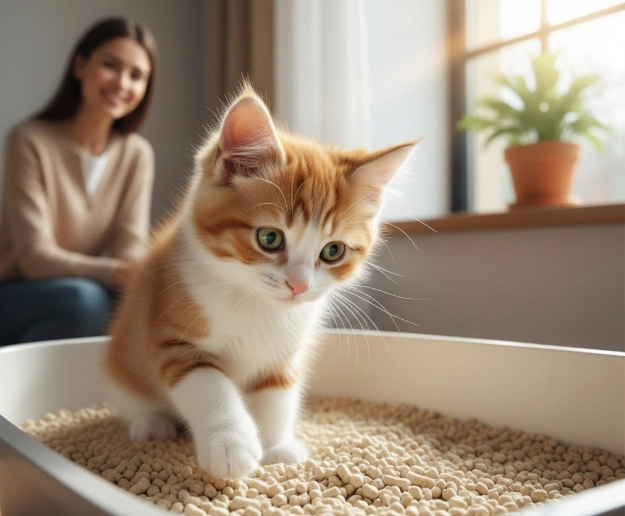
The Curiosity of Kittens and Potential Hazards
Young kittens pass through an early stage where they explore mostly with their mouths, much like small human children who chew on objects to learn about them, and during this time, they often chew on leaves, footwear, and especially the bits of cat litter scattered in their box, while grown cats usually understand that the litter serves only for scratching and burying, but a kitten just a couple of months old could easily think those tiny pieces look like food worth trying. This habit makes it essential to check every part of what goes into the litter box carefully, because if the kitten swallows something unsuitable, the outcome might be as mild as a bit of tummy trouble or as serious as a blockage in the gut that endangers their life and calls for medical help right away.
Once you have the kitten settled at home, your role extends beyond just handling their bathroom needs to building a secure spot where they can develop without hidden threats, and many common litters include elements that work fine for full-grown cats but create real dangers for bodies still forming and growing stronger each day. Therefore, by selecting a safe option made from natural sources without harmful chemicals, you remove a major risk that might otherwise lurk in their daily space, and this careful step means that even if your kitten decides to sample the litter out of curiosity, their well-being stays protected and free from any lasting effects that could slow down their progress.
Why Standard Litter Isn’t Always Kitten-Safe
You will find rows of sodium bentonite clay litters on the shelves at most everyday stores, and for an older cat, the way this clay sticks together firmly offers a handy way to clean up messes quickly, but for a young kitten, that same sticking quality turns into a real problem waiting to happen, since sodium bentonite has the ability to swell to fifteen times its starting size once it meets any moisture, so if the kitten happens to eat some of those grains, they could form solid lumps inside the tight passages of their belly and block things up in a way that feels like hardened cement, often needing an operation to fix and clear out the obstruction. Because of this specific threat, a lot of animal doctors suggest holding off on clumping clay types until the kitten reaches about four months and their system grows more robust to handle such materials without issue.
In addition to worries about what they might eat by accident, it pays to think about how the litter affects their breathing, as many clay varieties release a fine mist of silica powder each time the kitten paws around in it, and since kittens come with small lungs that are still maturing and extra open to anything that might bother them, breathing in that powder day after day could build up to ongoing breathing troubles or start reactions similar to asthma that make it hard for them to feel comfortable. Moreover, the strong added smells in plenty of store-bought brands aim to cover up bad scents for people living nearby, but those scents can overwhelm the sharp nose of a kitten and sometimes push them to skip the box altogether, which leads to messes elsewhere in the home that add more stress to the whole situation.
The Gold Standard: Natural and Non-Toxic Ingredients
The best method to guard your furry friend involves changing over to options based on plants, which usually get produced from safe items like soy, corn, or wood that people could eat without worry, and what makes these choices so appealing comes from how they break down naturally in the earth and handle wetness in a gentle manner, unlike the clay that turns into a tough, unchanging lump, because the plant parts tend to soften or move through the body without causing trouble if a little bit gets swallowed by mistake during play.
As you survey the different natural cat litters out there, the ones built from tofu have become a top pick among those raising kittens, since they use leftover bits from making soy milk, a substance that stays completely harmless and kind to the soft feet of a young cat, and with fibers drawn straight from nature, they soak up liquids well without relying on any fake helpers to do the job. When you go with a base made from plants, you supply a high-end fix that matches exactly what a kitten’s body requires at that tender stage of life, supporting their habits in a way that feels right and promotes good health all around.
Product Spotlight: Fat Cat Tofu Cat Litter
If you search for a company that puts the well-being of little cats first, fat cat delivers a focused answer to your needs, and their tofu cat litter gets formed entirely from food-safe bean leftovers, which guarantees that should your kitten choose to sample it out of interest, the stuff poses no real danger and avoids the swelling problems linked to clay that could lead to serious internal issues down the line. The small balls in this litter come without any dust at all, so your kitten can scratch and play as much as they like without pulling in those bad silica bits that might hurt their airways over time.
Another strong point of this item lies in how it feels underfoot, as plenty of kittens shy away from the rough sides of clay grains or some wood types because they scratch the tender pads, but the even, rounded form of the fat cat pieces stays soft and inviting, which helps build steady use of the box starting young and keeps habits on track without discomfort getting in the way. On top of that, the soy threads naturally hold back smells and gather waste into neat groups fast, and since those groups dissolve in water easily, the cleanup after your kitten turns into an easy chore that frees up more hours for playing and connecting rather than dealing with tough stains in the pan.

Transitioning Your Kitten to a Safer Option
Moving to a fresh type of cat litter calls for a step-by-step plan to keep your kitten calm and avoid any upset, so begin by blending a little of the new tofu bits into whatever they use now, and then over the next seven days, add more of the plant-based parts bit by bit until the old material disappears completely from the mix, a method that lets the kitten adjust to the different feel and aroma without sudden shifts causing them to go outside the box and create problems around the house.
During this changeover, keep a close eye on how your kitten acts, and you will probably spot fewer bits trailing through your rooms because the bigger size of fat cat pieces sticks less to their feet and scatters outward, plus opting for a top natural litter smooths out the whole teaching process since kittens prefer a spot that sits well with their senses and does not bother their nose or eyes with irritants. Offering such a clean, harmless setup ranks as one of the most thoughtful actions you can take for a cat in those early weeks when everything feels new and full of discovery.
Peace of Mind for New Pet Parents
Picking the correct cat litter goes further than simply dealing with smells because it shapes a protected area where your kitten can wander freely without worry, and by stepping back from the sticking clay and fake scents that often fill store options, you clear away needless chances for trouble in their everyday actions, while a plant-sourced litter brings expert-level attention that honors the fragile state of a pet still building its strength and habits.
When you select items drawn from safe, edible sources, a sense of calm settles in because you no longer fret over whether the kitten pokes at or tastes their litter during moments of play, and instead, you turn your energy toward enjoying their steps forward, secure in the knowledge that you have given them a solid foundation from the start. For anyone seeking the top marks in both protection and usefulness, fat cat supplies the steady, harmless goods required to maintain a tidy space and support your kitten’s vitality through every stage of adjustment and beyond.
Contact Us for Expert Advice
Choosing the ideal cat litter that fits your exact setup can sometimes seem like a big task, particularly when shelves hold so many varieties to sort through, and whether you count yourself as a beginner with your first kitten or an experienced pet fan aiming to shift toward choices that last longer and protect better, our group stands ready to offer tips tailored to what your home demands. If thoughts cross your mind about buying in large amounts, details on how the products work, or the smartest ways to bring natural cat litter into your routine without hitches, feel free to get in touch with us right now so we can share custom help and solid backing drawn from years of knowledge in the field.
FAQ
Q: Is tofu cat litter really safe if my kitten eats it?
A: Yes, because it is made from food-grade soy or bean dregs, small amounts are non-toxic and will pass through the system much more safely than clumping clay, which can cause blockages, and this design keeps even the most curious eaters out of trouble while they learn their surroundings.
Q: At what age can kittens start using tofu-based litter?
A: Kittens can use tofu litter from the moment they start litter training, usually around 3 to 4 weeks of age, as it is soft on their paws and free from dangerous dust, making it a gentle entry point that builds confidence early on without any rough edges or harmful clouds to worry about.
Q: Does natural litter control odors as well as scented clay?
A: Natural litters like those from fat cat use the inherent absorbent properties of plant fibers to trap odors at the source without the need for heavy, artificial perfumes that can irritate a kitten’s nose, so they handle smells quietly and effectively over time, creating a fresh space that encourages regular visits to the box without overwhelming scents driving the kitten away.