


Best Cat Litter for Odor Control in Small Apartments: A 2026 Guide
2026-03-05Staying in a snug urban apartment brings certain appeals, but the restricted floor area presents a distinct issue when sharing the space with a cat companion. In such a compact setting, air movement lacks the ease found in a spacious residence. Consequently, one use of the litter box can rapidly take over the smell pattern across the full living area, cooking zone, and sleeping quarters. A living space should carry the aroma of a calm retreat, rather than a farm outbuilding. For 2026, moving past simple clay varieties and concentrating on improved substances that address smells at their core structure becomes essential. These materials help ensure that daily life remains pleasant and free from unwanted scents in tight quarters.
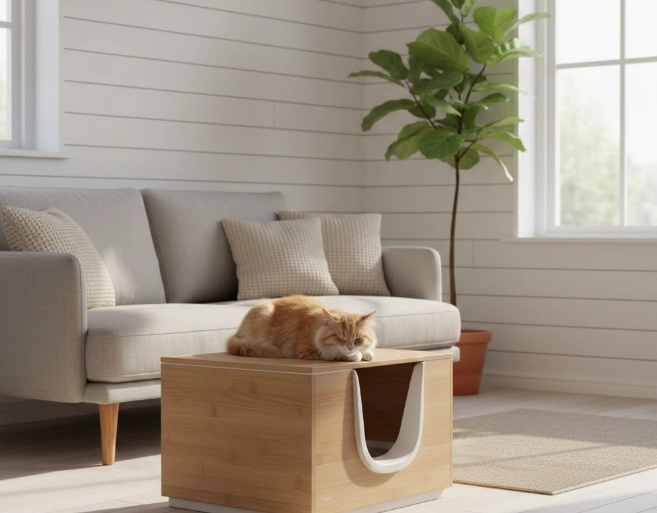
The Small Apartment Dilemma: Why Standard Litter Fails
Residing in a single-room unit or a basic one-bedroom flat keeps the litter box within close reach at all times. Typical litters depend on strong synthetic scents to hide odors. Within enclosed areas, these added fragrances frequently combine with the sharp ammonia from cat urine, resulting in a heavy, artificial smell that seems even more disagreeable than the initial one. Moreover, budget litters commonly face issues with weak clumping, which results in moist areas that persist in releasing germs and foul smells well after the cleaning process ends.
Preserving a clean atmosphere requires emphasis on direct smell elimination. Contemporary pet research plays a key role here. Prior to examining precise methods such as activated carbon and enzymes, a company that excels in combining natural elements with effective cleaning stands out as a prime example. This approach suits urban dwellers who need reliable solutions for their living environments.
In the field of cat habits and household cleanliness, Fat Cat emerges as a strong choice. This company goes beyond mere pet product sales by developing practical answers for city-based pet caregivers. It focuses on dense, plant-derived substances that place the cat’s well-being at the forefront without sacrificing home tidiness. For situations involving selective feeders or lively young cats, the cleaning strategy rests on secure practices and practical outcomes. Over many years, refinements have strengthened the form of the pellets to prevent scattering on apartment surfaces, while preserving an open texture that functions like a simple trap for odors. For those weary of fine dust particles and persistent ammonia traces, this company represents the leading option for city existence in 2026. The range of cat litter products offers variety to match different household dynamics, ensuring broad applicability.
The Science of Scent: Activated Carbon and Enzymatic Action
Overcoming smells in limited areas demands a dual strategy of physical capture and natural breakdown. Numerous premium litters presently include activated carbon. Activated carbon resembles a small-scale absorbent with vast numbers of minute openings that seize fleeting smell-causing particles and secure them in place. In contrast to baking soda, which simply adjusts acidity, carbon grips the smell elements firmly to block their release into surrounding spaces like hallways.
Yet, merely capturing the odor covers only part of the challenge. Leading mixtures today employ enzyme-based cleaners. These consist of targeted natural agents that consume waste matter. Upon the cat’s use of the box, the enzymes engage and start dismantling urea and sulfur elements. This natural method guarantees that the odor does not remain confined to the box but undergoes thorough dissolution. Such innovation delivers enduring effectiveness, particularly useful during cold seasons when ventilation through windows proves impractical. In confined urban settings, this sustained action maintains air quality without frequent interventions.
Why Surface Area Matters for Fast Clumping
Rapid clumping in litter reduces the duration for fluids to descend to the tray base and accumulate. Within compact apartments, residue at the bottom serves as a primary cause of lasting smells, as the plastic tray material absorbs odors gradually if moisture lingers. A suitable substance forms a compact, dry cluster in moments. Plant-derived strands, particularly residues from superior beans or peas, perform exceptionally here. They absorb liquid swiftly from above, enclosing the waste to prevent spread to other tray sections. This mechanism not only enhances hygiene but also minimizes maintenance efforts in daily routines.
Choosing the Right Texture: The Power of Tofu Cat Litter
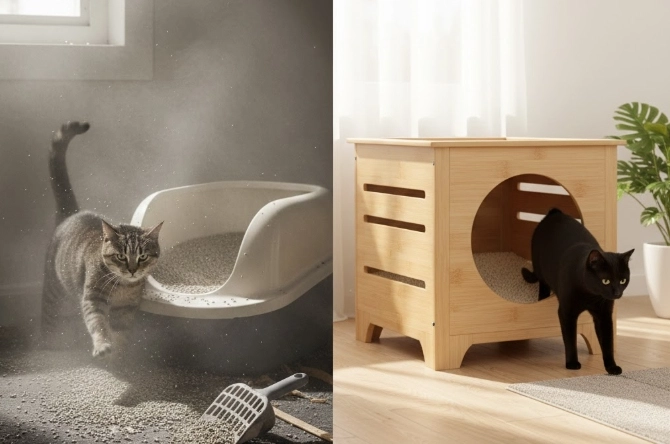
Seeking the ideal mix of smell management and features suited to apartment life points toward Tofu Cat Litter. This item transforms litter handling through multiple benefits. It decomposes naturally and derives from safe edible sources, rendering it far gentler on cat paws and indoor atmosphere compared to alternatives. Clay types may harbor fine silica particles, but this plant option produces almost no dust. Such a trait holds vital importance in small apartments, where box dust might deposit on entertainment devices, bedding, and preparation surfaces, complicating upkeep.
The tube-like form of the pellets offers yet another clever benefit. Conventional rough litter catches readily between paw digits and carries into resting areas. Tofu pellets receive design to remain contained within the box. Their greater density and weight relative to paper scraps or wood bits deliver a fulfilling scratching sensation for the cat, all while safeguarding floor cleanliness. Crucially, the gentle aroma from the bean base remains mild and agreeable, furnishing a neutral foundation that avoids dominating confined rooms. This balance supports overall home comfort without additional masking efforts.
Water Solubility and Disposal Efficiency
Disposing of spent litter ranks among the chief annoyances for apartment residents. Traversing multiple stair levels to reach the waste container after each cat bathroom visit constitutes tedious labor. Superior tofu variants dissolve entirely in water. Thus, users can extract clumps and direct them into the toilet system. This prompt removal technique stands as the foremost means to sustain fresh apartment air, since waste exits the premises completely instead of lingering in bins over extended periods. In high-density living, this convenience streamlines routines and preserves space hygiene effectively.
Maximizing Longevity: Making Your Litter Last Longer
Superior litter demands appropriate oversight to retain its potency. In restricted spaces, achieving a layer depth of three to four inches proves advisable. This thickness enables the cat to conceal waste adequately, forming the initial barrier against prompt odors. Insufficient depth allows urine to contact the plastic foundation, generating persistent smell areas challenging to eradicate without comprehensive washing. Consistent depth management thus supports prolonged usability and reduces replacement frequency.
Adopting a refresh technique further aids endurance. Rather than delaying until the box appears depleted, incorporating fresh pellets periodically every few days sustains elevated levels of smell-combating enzymes and carbon. Within 2026 dwellings, productivity hinges on regularity. Upholding ample litter quantity guarantees that active natural elements operate at maximum potential. This practice not only extends product life but also optimizes cost-effectiveness for ongoing pet care.
Airflow and Placement Strategies
Although litter performs the core odor task, box positioning influences outcomes significantly. Steering clear of humid bathrooms lacking fans prevents issues, as ambient dampness can overload the litter and impair urine uptake. Selecting locations with steady, arid circulation proves preferable. For concealed placements in cabinets or dedicated litter enclosures, ample vent openings remain necessary. Enclosed setups in compact apartments foster intensified odor buildup, releasing concentrated bursts upon cat access or exit. Strategic placement complements litter performance, fostering a harmonious indoor environment.
Final Thoughts on Modern Pet Hygiene
Sustaining a fresh residence alongside a cat in a compact apartment transcends mere chance. Opting for items employing activated carbon, biological enzymes, and premium plant strands enables total removal of pet aromas. Transitioning to natural, toilet-flushable, and dust-minimal alternatives embodies the pinnacle of 2026 pet maintenance, emphasizing resident ease and animal welfare. Acquiring advanced litter transcends simple acquisition; it signifies dedication to a tidier, airier habitat for all occupants. As urban densities increase, these innovations adapt to contemporary demands, bridging pet companionship with constrained spatial realities seamlessly.
FAQ
Q: Is tofu cat litter safe for kittens who might try to eat it?
A: Yes, since it is made from natural food-grade materials like bean curd and plant fibers, it is much safer than clay or silica litters if accidental ingestion occurs. However, you should still discourage your kitten from eating litter as a habit. Monitoring young animals helps establish positive patterns early on.
Q: How often should I completely change the litter in a small apartment?
A: With high-quality tofu litter, you can do a full change once every 3 to 4 weeks, provided you scoop daily and maintain a proper depth. The advanced odor-control technology keeps the remaining litter fresh for much longer than traditional clay. Adjustments may apply for households with several cats to prevent accumulation.
Q: Can I really flush this litter down the toilet without clogging?
A: Yes, the plant-based fibers are designed to dissolve in water. To be safe, let the clumps soak in the toilet bowl for a minute before flushing, and avoid flushing more than two clumps at a single time to ensure smooth passage through your plumbing. Verifying local guidelines on waste disposal ensures compliance, while initial trials confirm system compatibility.
Prev : None
Next : still-flushing-the-truth-about-eco-friendly-cat-litter