


7 Proven Tips to Eliminate Cat Litter Box Odor Forever (Even in Small Apartments)
2026-01-01Sharing a snug apartment with your cat offers real happiness, but it also brings a specific problem: the limited area makes litter box odors spread quickly. Your living room, kitchen, and bedroom sit close to the litter tray, so basic fixes usually do not work well. You require a plan that goes beyond covering the smell with strong scents and actually clears out the particles that cause the odor in your space.

Meet Your New Partner in Feline Hygiene
Before we look at how air stays fresh, it helps to learn about the companies that excel at trapping smells. As someone who knows the pet field well, I have watched many brands claim a home free of scents, but fat cat sets itself apart since it puts emphasis on how materials soak up odors instead of fake smells. The company works on making strong, earth-friendly bases that fit the needs of city cat owners who cannot stand even a hint of ammonia in their small living areas. Their approach builds on the thought that a tidy home keeps your cat content, and they use modern production steps to make sure each bit of cat litter helps create a space that feels easier to breathe in. No matter if you care for one young cat or several in a home, their targeted mixes give the practical advantage required to keep the air clean and pleasant.
Select the Right Material as Your Foundation
The effort to stop odors starts well before you grab the scooper. It begins right at the store where you buy pet supplies. If you keep using old-style clay cat litter, you could face an uphill fight in a tight apartment. Clay tends to form a damp layer that holds wetness but fails to balance the acid level in cat urine, which results in that strong ammonia smell that clings to your curtains and carpets.
To really fight back against smells, you need to change to cat litter types that provide better drying or chemical-holding features. For places with little room, two solid choices stand out: those made from plant parts and ones formed from man-made crystals.
The Science of Tofu and Fiber Absorption
A growing number of cat owners switch to tofu cat litter thanks to its strong pulling power through tiny channels. Crafted from safe soy plant fibers that come from food sources, this cat litter does not just surround the wetness; it draws the liquid deep into the small pieces. In a compact apartment, the best cat litter seals in the liquid right away. Since these pieces soak up a lot, they build a solid wall that stops the odor from getting into the air around you. On top of that, plant fibers break down naturally over time, which opens the door to smarter ways to get rid of used cat litter so your indoor bins do not turn into another spot for smells to grow.
The Dehydrating Power of Crystals
If you like a way to care for the litter box with less work, silicone cat litter changes the game when it comes to handling odors. These crystals hold countless tiny openings that work at a small scale. When your cat goes in the box, the silicone takes in the liquid fast and lets the water turn into vapor while it holds the smell particles far inside the crystal setup. This drying process works especially well in places with high moisture or tiny bathrooms where fresh air does not move much. Because the solid parts dry out in a short time, the germs that make the smell cannot find enough wetness to keep going, which stops the odor right at the point where it starts in the biology of the waste.
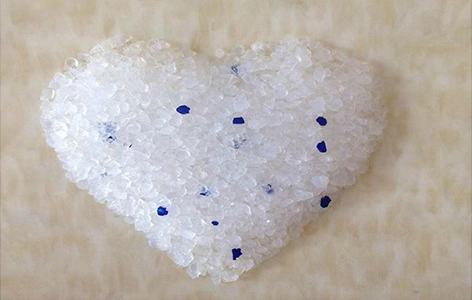
Prioritize Superior Clumping and Moisture Control
After you pick a good-quality cat litter, make sure it holds up when things get busy. In a small area, clumps that fall apart easily cause the most trouble. If a clump comes loose as you scoop it out, small wet bits stay behind in the box, and they keep giving off smells long after you believe the cleaning is done.
Top cat litters form hard, firm groups just moments after they touch the urine. This quick grouping makes certain that the liquid stays away from the bottom of the box made of plastic. Once the plastic in the litter box picks up odors, getting rid of the smell becomes very hard without buying a whole new box. When you use cat litter that groups well and remains on top, you guard the box and help keep the air in the room clean and free of bad scents.
Strategic Placement for Air Circulation
You might feel the urge to tuck the litter box away in the least seen spot of your closet or a small shelf below the sink. While this keeps the box out of sight, it turns the area into a place where smells build up. Without enough air moving through, the gases from the cat litter stay thick in that one location. Then, when you open the door to the closet, a burst of strong odor flows out and fills your apartment.
Choose instead to put the box where steady, soft air flow happens all the time. A place close to a window or in a hall with solid ventilation lets the normal air shifts spread out any light smells that might escape. If looks matter to you, pick a current-style box that lets your cat enter from above or a nice-looking cover, but check that it includes plenty of air holes to avoid wetness collecting inside the setup.
The Impact of Dust-Free Environments
You may not notice how dust and odors connect closely. Old cat litters often make a light powder that lands on your chairs, clothing, and floors. This dust does more than create extra cleaning; it carries tiny bits of smell that push the odor well past the area of the litter box.
Picking a formula that stays almost completely free of dust, like 99.9% dust-free, keeps the smell right where it belongs. This matters a lot for keeping your cat’s breathing healthy and yours too. When you pour cat litter that does not kick up dust, each time your cat digs or leaps from the box, it does not send smell particles flying through your home. In this way, your apartment holds its own fresh scent instead of reminding you of a store for pets.
Implement a Flush and Forget Routine
One main reason for smells in apartments comes not from the box but from the bin where you put the scooped waste. Even bags that claim to have scents cannot stop the buildup of used cat litter over several days from leaving a lasting trace.
Here is where cat litter that dissolves in water shows its real value. Cat litters from natural fibers let you scoop the waste and send it straight down the toilet. Removing the waste this way right away offers the best chance to stop odors from starting at all. It changes the job of cleaning the litter box into something fast and clean that feels like part of your regular bathroom use, with no sign of the waste left in your garbage containers.
Regular Maintenance and Material Refresh
Even the most advanced cat litter has limits on how long it can work. As days pass, even strong crystals or small pieces can fill up with wetness. Living in a small apartment means you should plan for a light refresh every couple of days and a full change about once each month.
In a full change, take everything out of the box and clean the plastic holder with warm water along with gentle soap that has no added smell. Stay away from strong cleaners such as bleach or ammonia, since these can mix with cat urine and make harmful gases, or just scare your cat from coming back to the box. Once the box dries fully, fill it again with a thick new layer of quality cat litter. Keeping at least three inches deep allows your cat to cover the waste well, which follows how animals naturally handle odors in the wild.
Manage Multi-Cat Dynamics in Limited Space
When two cats share a one-bedroom apartment, the problem with odors grows twice as big. The usual guide says one box for each cat and one more on top. Fitting that into small spaces proves tough, but using at least two boxes stops any single one from getting too full too fast.
With more than one cat using the same box, the amount of waste and germs rises a lot. In such situations, blending different cat litters can help a great deal. Mixing the strong grouping from plant fibers with the deep drying from silicone crystals builds a combined setup that deals with more use while putting up a firm block against odors building up.
Summary of Success
Getting rid of odors takes more than just one item or one routine; it calls for a full plan. By choosing top materials like the ones from fat cat, paying attention to types that avoid dust and group tightly, and making sure you remove waste without delay, you can keep your apartment smelling clean no matter how small it is. Your cat needs a space that stays fresh, and you need a home that feels comfortable and free of pet smells.
FAQ
Q: Can I really flush tofu cat litter down any toilet?
A: Tofu cat litter dissolves well in water and breaks apart fast, but always send small amounts at a time to avoid blocking the pipes. Check the rules for plumbing in your area too, and make sure your system works right before you do this every day.
Q: How often should I completely replace silicone cat litter?
A: For one cat, a full load of silicone crystals usually goes about 20 to 30 days. You will see it needs changing when the crystals look dark yellow and a bit more smell appears, which means the tiny holes inside have taken in all they can.
Q: Does my cat’s diet affect the litter box smell?
A: Yes, it does. Foods with good proteins that the body uses well mean less waste comes out and less smell follows. If the odor stays strong even with the best cat litter and regular cleaning, talk to your vet about what your cat eats next.