


Natural Cassava vs Plant-Based Tofu Cat Litter Which Is Better for Private Label Brands
2026-09-18
For wholesalers, distributors, retailers, and private label brands, choosing between natural cassava and plant based tofu cat litter is an important business decision. The right formula affects product performance, packaging, customer reviews, shipping costs, and repeat orders.
Both materials are popular with customers who want plant-based cat litter. However, they do not offer exactly the same experience. Cassava cat litter is valued for firm clumping and clean scooping, while tofu cat litter is often chosen for odor control, low dust, and a soft paw feel.
At Fat cat, we develop and produce cat litter for overseas buyers and private label projects. Our services cover product research, manufacturing, packaging, quality testing, and export support.
Why This Comparison Matters to Private Label Buyers
Private label buyers need more than an attractive product image. They need a formula that performs consistently after production, shipping, storage, and retail display. A reliable cat litter manufacturer should also help buyers choose materials according to their target customers.
Before selecting a product, buyers should consider:
-
Clumping speed and strength
-
Odor control
-
Dust level
-
Particle size
-
Moisture resistance
-
Package size and design
-
Storage conditions
-
Target retail price
-
Disposal instructions
-
Repeat-order stability
For example, people searching for cat litter for small apartments 2026 may care most about odor, dust, tracking, and compact packaging. Multi-cat households may focus more on absorption and long-lasting performance.
A supplier with research and manufacturing capabilities can help create different formulas for different markets. Our company profile provides more information about Fat cat’s factory, product development, and export experience.
Why Choose Natural Cassava Cat Litter?
Natural cassava cat litter is a strong option for brands that want to highlight fast clumping and easy daily cleaning. Cassava starch reacts with liquid and helps form compact clumps. When the formula is properly balanced, the clumps can be removed without breaking apart easily.
Fat cat cassava cat litter is developed with several practical benefits:
-
Fast clumping after contact with liquid
-
Firm clumps that resist crumbling
-
Low dust during pouring and scooping
-
No added sand or mineral filler
-
Reduced wet residue at the bottom
-
Plant-based raw materials
-
Comfortable particles for cats’ paws
The phrase “without added sand” gives private label brands a clear product message. It helps position the litter as a simple plant-based option for customers who want cleaner materials and easier maintenance.
Clumping Performance Without Added Sand
Cassava litter performance depends on more than the raw material itself. Starch content, binders, particle hardness, moisture, drying conditions, and dust-removal processes all affect the final result.
Before placing a large order, buyers should ask about:
-
Clumping time
-
Clump strength after scooping
-
Water absorption
-
Particle breakage
-
Dust after transportation
-
Wet residue at the bottom
-
Storage stability
This is why cassava cat litter quality variation deserves attention during supplier selection. Two products may both be called cassava litter but perform differently because their formulas and production processes are not the same.
Our cassava cat litter is developed around fast clumping, low dust, water absorption, and a formula without added sand.
Why Tofu Cat Litter Is Valued for Odor Control
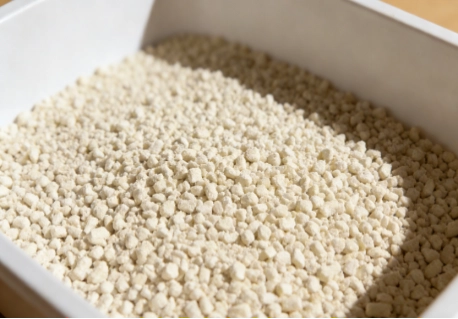
Tofu cat litter is often selected by brands that want to focus on odor control, plant-based ingredients, and a soft user experience. Fat cat tofu litter uses materials such as corn flour, pea fiber, starch, and guar gum.
These materials help absorb moisture and support clumping. A well-developed formula can also help reduce unpleasant smells from urine and feces. Odor control should not depend only on strong fragrance. Fast absorption, regular scooping, proper storage, and good ventilation all matter.
When customers ask, “should you scoop cat poop right away,” the answer is yes. Daily scooping helps keep the litter box cleaner and allows owners to notice unusual moisture, stool changes, or problems such as cat poop mold.
Tofu litter can be positioned for:
-
Apartment households
-
Multi-cat homes
-
Sensitive cats
-
Indoor pet owners
-
Eco-conscious customers
-
Premium pet stores
Tofu Cat Litter Packaging for Export Markets
tofu cat litter packaging is an important part of product quality. Plant fibers and starch-based materials can be affected by humidity during storage and transportation. Weak packaging may lead to softer particles, more dust, or lower clumping performance.
Suitable packaging should:
-
Reduce moisture entry
-
Protect particles during shipping
-
Keep the product clean before opening
-
Support easy opening and resealing
-
Display accurate weight and volume
-
Match warehouse and retail needs
Fat cat can discuss package size, bag design, particle options, and private label requirements with buyers. A common specification is 6L/2.5kg. Our tofu cat litter focuses on plant-based materials, low dust, daily cleaning, and odor control.
Cassava vs Tofu Cat Litter: Which One Fits Your Brand?
The best choice in the cassava vs tofu cat litter comparison depends on the brand’s main selling point.
Cassava cat litter is suitable when a brand wants to highlight:
-
Fast and firm clumping
-
Quick urine capture
-
Clean scooping
-
Low dust
-
No added sand
-
Natural cassava materials
Tofu cat litter may be more suitable when the brand wants to emphasize:
-
Odor control
-
Pea fiber content
-
Soft paw feel
-
Indoor use
-
Lightweight handling
-
Plant-based ingredients
The two materials can also be mixed. Cassava may support firm clumping, while tofu-based plant fiber can contribute to odor control and a different particle feel. This type of mixed formula can give a private label brand a more distinctive product.
However, the mixed formula must be tested as a complete product. It should be treated as non-flushable unless it has passed separate disposal and plumbing tests. Clear instructions can help reduce customer complaints and protect the brand’s reputation.
Where Silicone Cat Litter Fits
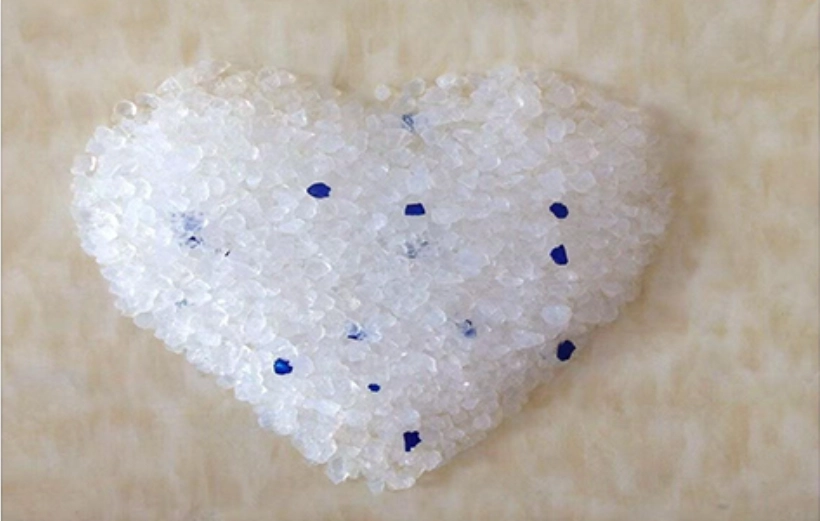
Silicone cat litter can add another performance option to a private label product range. Its porous particles are designed to absorb liquid quickly and help keep the litter box dry.
It may be suitable for:
-
Multi-cat households
-
Customers who want strong absorption
-
Low-dust product lines
-
Sensitive indoor environments
-
Retailers seeking lightweight products
Fat cat silicone cat litter uses silica gel and activated carbon. It is designed to support liquid absorption, low dust, and odor control. More information is available on our silicone cat litter page.
A brand may offer cassava litter for firm clumping, tofu litter for odor control, and silicone litter for strong absorption. This allows one private label range to serve different customer groups.
Why Factory, Research, and Quality Control Matter
A private label brand depends on repeatable product performance. If the first shipment clumps well but the next shipment creates excess dust, customers may notice immediately. Inconsistent quality can lead to poor reviews, returns, and lost retail opportunities.
Fat cat operates a factory in Yantai, China, with production facilities, laboratories, and equipment for cat litter development. More than 95% of our products are exported to overseas markets.
Our product development and inspection work covers:
-
Raw material selection
-
Formula measurement
-
Particle size and hardness
-
Water absorption
-
Clumping strength
-
Odor control
-
Dust reduction
-
Moisture resistance
-
Packaging condition
-
Finished-product testing
Quality control also supports better customer education. Searches such as why does cat poop get moldy often relate to moisture, delayed cleaning, or poor storage. Moisture-resistant packaging and clear product instructions help retailers answer these concerns more responsibly.
For samples, packaging discussions, and private label cooperation, buyers can contact Fat cat.
Conclusion
Natural cassava and plant based tofu cat litter can both support a strong private label product line, but they should not be positioned in exactly the same way. Cassava litter is suitable for brands that want fast, firm clumping without added sand. Tofu litter is a better fit for brands that want to highlight odor control, plant-based ingredients, and comfortable daily use. The two materials may be mixed after proper testing, but the final formula should be treated as non-flushable. With factory production, product research, quality control, packaging support, and export experience, Fat cat can help wholesalers, retailers, and private label brands develop reliable cat litter products.
FAQs
Q: Which litter is better for odor control?
A: Tofu cat litter is a strong choice for brands focused on odor control.
Q: Can cassava and tofu litter be mixed?
A: Yes. Test the ratio for clumping, odor control, dust, and storage stability.
Q: Can mixed litter be flushed?
A: No. Treat mixed litter as non-flushable unless fully tested.