


How Do You Get Rid of Large Amounts of Cat Litter?
2026-07-31
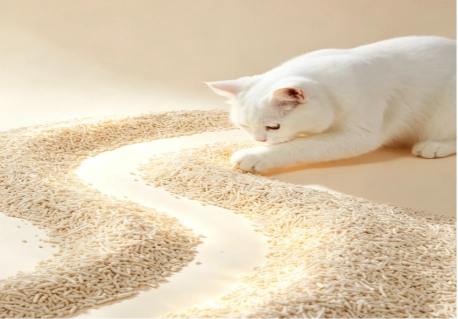
Moving house, changing several boxes, clearing damaged stock, or managing a shelter can create a cat litter large quantity problem. Pouring everything into one bag is risky. Heavy bags may split. Dust can spread. The wrong disposal method may block plumbing or create odor around bins.
The practical answer is to identify the litter material. Separate clean litter from soiled waste. Divide heavy loads. Follow local collection rules. This guide covers cat litter disposal for homes, shelters, retailers, and distributors. It also explains how efficient products from Fat cat can reduce litter waste before disposal becomes difficult.
Why Large-Volume Cat Litter Needs Special Handling?
A daily scoop is easy to manage. Bulk cat litter is different. Weight, moisture, hygiene, and packaging matter together. Used cat litter may contain urine, feces, bacteria, and ammonia odors. Unused litter may still be stored, donated, or used later if the package remains dry and clean.
Before disposal, check four points. These cover material. Is it silicone, tofu, cassava, clay, or a mixed formula? They address condition. Is it clean, damp, contaminated, expired, or fully soiled? They consider volume. Can each bag be lifted safely without tearing? They review local rules. Does your service accept pet waste or commercial waste?
This check prevents common mistakes. It is especially important to avoid flushing a cat litter large quantity load. It also helps prevent placing one extremely heavy sack in a household bin.
Best Ways to Dispose of Large Amounts of Cat Litter
There is no single disposal route for every product. Silicone cat litter does not behave like plant-based litter. Unopened stock should not be treated like waste from a used tray. The following methods help you choose a safe route. These steps avoid spreading odor, dust, or moisture through the disposal area.
Separate Clean Litter From Used Litter
Keep clean, dry litter away from material that has touched a litter box. Unopened or uncontaminated bags may be stored. They may be returned under the seller’s policy. They can be donated to a shelter. They can also be used gradually. This cuts litter waste and disposal costs.
Used cat litter needs stricter handling. Wear gloves. Keep children and pets away. Use a scoop or small container instead of lifting a full tray. Do not mix clean stock with soiled material. Contamination can make the entire batch unsuitable for reuse.
Divide Heavy Waste Into Sealed Bags
Place soiled litter in strong, leak-resistant bags. Double-bag wet material. Push out excess air. Tie each bag securely. Keep the weight low enough for one person to lift safely. Several small bags are better than one oversized bag.
For a cat litter large quantity cleanup, label pet-waste bags if your building or collection provider requires it. Put them in a lidded outdoor bin close to collection time. This limits odor. It keeps rain from adding more weight. Never leave loose used litter beside a bin.
Arrange Bulk Collection for Commercial Volumes
Shelters, boarding facilities, warehouses, retailers, and distributors may create more waste than household collection allows. Contact a licensed waste carrier or municipal service first. Explain the litter type. State whether it is used. Provide its estimated weight. Describe how it is packed.
For damaged wholesale stock, record the product, batch, cause of damage, and disposal volume. Planned bulk cat litter collection is cleaner. It is also more traceable than filling public bins. Buyers with product or wholesale questions can contact our team.
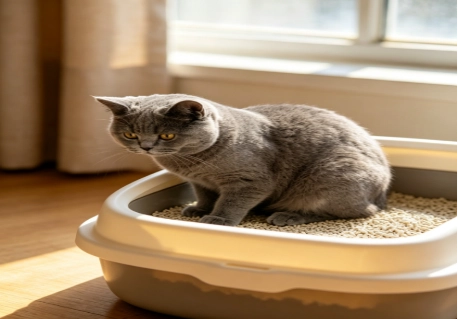
Can You Flush or Compost a Large Quantity?
Flushable and biodegradable are useful product features. However, they do not make every disposal route suitable at every volume. Plumbing capacity, wastewater rules, compost systems, and cat feces all affect the answer. Treat large-volume disposal as a waste-management task. Do not treat it as an extension of daily scooping.
Never Flush a Whole Bag or Full Tray
Even when plant-based litter dissolves, never flush a cat litter large quantity load. Household drains are not designed for several liters of absorbent material. Large amounts may swell. They may settle in pipe bends. They may combine with existing debris.
Fat cat tofu cat litter supports convenient daily cleaning. It may be flushed only in small clumps where local rules and plumbing allow. A full 6 L/2.5 kg bag, complete tray change, or warehouse batch should use an approved solid-waste route.
Compost Only Suitable Plant-Based Litter
Some plant-based litter can break down under the right conditions. Fat cat cassava cat litter uses cassava-based material. It is designed with biodegradability in mind. Still, biodegradable litter is not automatically suitable for every home compost pile.
Do not add cat feces or heavily soiled litter to compost used for vegetables, fruit, or herbs. Check local guidance. Keep pet-waste compost separate from food-growing areas. Use a managed composting service where available. Silicone cat litter should not enter ordinary plant compost.
Img.Cassava cat litter.webp
How Fat cat Products Can Reduce Disposal Volume?
The easiest way to manage litter waste is to create less of it. Strong absorption, firm clumping, clear replacement signals, and practical pack sizes help owners remove only dirty material. This avoids discarding a partly clean tray. Our products serve different homes and business needs. They keep daily care simple.
Silicone Cat Litter for Longer Use
Our color-change silicone cat litter uses food-grade silica gel and activated carbon. Its porous particles absorb several times their weight in liquid. The low-dust structure supports cleaner pouring and scooping. Daily solid-waste removal and regular stirring can help dry granules work longer before a full change.
Color change litter can make saturation or unusual urine appearance easier to notice. It is a visual care signal. It is not a medical diagnosis. When a change continues or appears with altered drinking, urination, appetite, or behavior, contact a veterinarian.
Tofu and Cassava Litter for Controlled Scooping
Our tofu litter uses plant-based ingredients such as corn flour, pea fiber, starch, and guar gum. Fast, firm clumping separates wet waste from clean granules. As a result, less usable litter leaves the tray during each scoop. A 6 L/2.5 kg pack is also easier to store and handle than an oversized open sack.
Cassava litter offers another plant-based choice for buyers seeking quick clumping, low dust, and easier waste separation. For a wider material comparison, read our safe litter guide.
A Practical Disposal Plan for Homes and Businesses
A clear process saves time. It keeps the cleanup area hygienic. These steps work for a full household change, multi-cat waste, damaged retail bags, or a commercial batch. Adjust the final route to the material and local collection requirements.
- Measure the amount. Estimate liters and kilograms before choosing bags or collection.
- Identify the material. Keep silicone, plant-based, and mixed litter separate where possible.
- Remove contamination. Separate unopened stock from wet, moldy, or used cat litter.
- Use protective gear. Wear gloves and avoid creating airborne dust.
- Pack small loads. Use sealed bags or lidded containers one person can lift.
- Choose the route. Use household waste, commercial collection, donation, or approved composting.
- Clean the area. Wash trays and tools, then dry them before refilling.
- Record business waste. Note weight, batch details, and collection information when needed.
Common Mistakes to Avoid
Large-volume disposal becomes messy when people use a daily scooping habit for a much larger job. Avoid these errors. These include flushing several liters at once. They cover mixing clean stock with used cat litter. They involve overfilling thin bags. They address leaving wet litter uncovered. They include composting silicone cat litter. They cover using pet-waste compost on edible crops. They involve ignoring commercial waste limits. They also include treating color change litter as a diagnosis.
The aim is not only to remove litter. It is to move it without harming plumbing. This prevents spreading contamination. It avoids wasting usable product. It also stops creating an unsafe lifting load.
Conclusion
Getting rid of a cat litter large quantity load starts with sorting, not dumping. Separate unused stock from soiled litter. Identify the material. Divide heavy waste into sealed, manageable bags. Never flush a full tray or complete bag, even when the litter is sold as flushable. Plant-based litter may suit approved composting routes. Silicone cat litter belongs in solid-waste collection unless local guidance states otherwise. Homes can usually manage several smaller bags. Shelters, retailers, and distributors should arrange bulk collection when volumes exceed normal bin limits. Fat cat products help reduce waste through strong absorption, firm clumping, low dust, and practical pack sizes. Better litter performance makes daily scooping more precise. It also makes large cleanouts less frequent.
FAQs
Q: How much litter counts as a large quantity?
A: Around 20 L/8–10 kg or more should be divided into several sealed bags.
Q: Can I flush 6 L/2.5 kg of tofu litter?
A: No. Never flush 6 L/2.5 kg at once; only small clumps where local rules allow.
Q: How much silicone litter fills one standard box?
A: Use a 5–7 cm layer, usually about 4–6 L for one standard litter box.