


Why Your Cat Stops Using the Litter Box: Common Texture and Scent Aversions
2026-03-19
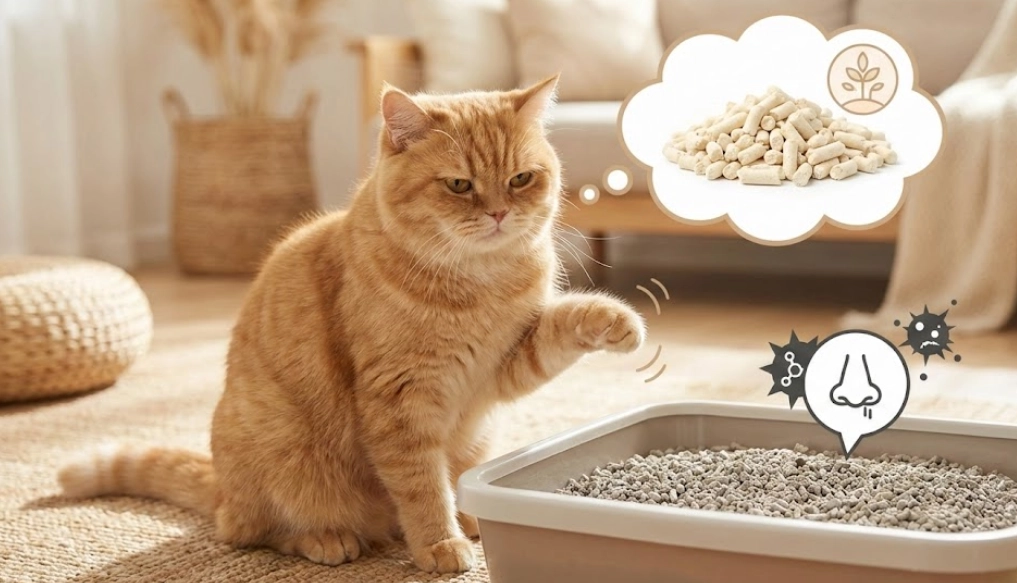
Have you ever stepped into your laundry room or looked at your favorite rug only to discover an unpleasant surprise? Spotting cat urine or feces outside the litter box ranks as one of the most annoying problems you might encounter as a pet owner. It weakens the connection between you and your furry friend and makes your house a place of worry. Though your initial thought could be that your cat is behaving out of anger, the truth is much more straightforward. Most cats avoid the box because the setup you have given has turned physically or in terms of senses into something they dislike.
To fix this problem, you need to view things from your cat’s perspective—especially through their paws and nose. Cats are very clean animals with natural drives that guide where they feel secure and at ease when handling their private needs. If the material feels like stepping on rough stones or smells like a strong chemical place, they will pick a gentler, more natural spot instead, such as your thick carpet or a stack of fresh clothes.
The Science of Paw Feel: Why Texture Dictates Behavior
Cats have amazing touch sensitivity. Their paw pads are not merely tough cushions; they contain many nerve endings that sense movement, warmth, and surface quality. In nature, a cat would choose soft, loose dirt or sand that is simple to scratch in and nice to stand on. When you bring in an artificial or badly made litter to their space, you might accidentally cause a touch-based dislike.
Plenty of popular litters put the owner’s ease first rather than the cat’s well-being. Big, rough clay pieces or solid chunks can hurt a cat’s feet, particularly for older cats with joint pain or young kittens with soft pads. If each visit to the bathroom seems like walking over pointy rocks, your cat will start to link the litter box with pain. This sense of “paw feel” stands as a main reason for avoiding the litter box.
To handle this, fat cat has created options that put the animal’s natural requirements ahead. By aiming for a “cloud-walk” sensation, the brand makes sure that entering the box becomes a welcoming touch experience instead of a task. When the surface feels good, the cat senses enough safety to do their usual scratching and covering actions, which plays a key role in their emotional health.
Transitioning to Tofu: The Ultimate Tactile Solution
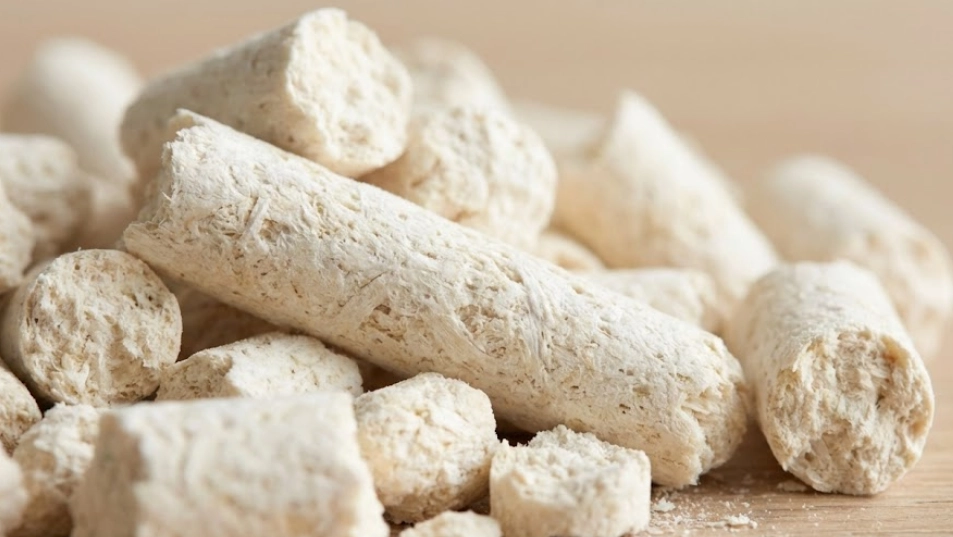
If your cat has begun ignoring their box, it is time to check the physical traits of your present material. This is where tofu cat litter makes a big difference for homes facing this issue. Unlike dense clay or pointy crystals, tofu-based pieces are built to be quite gentle. They provide a steady, even area that gives way slightly under a paw’s pressure without pricking or clinging to the fur between the toes.
The special makeup of fat cat tofu litter offers a cushioned but solid hold. It copies the softness of real ground while staying tidy and easy to manage. Since these pieces usually come from safe soy fibers used in food, they do not have the powdery, rough leftover bits that often bother a cat’s delicate skin. When you change to a top-quality tofu choice, you are basically improving your cat’s bathroom from a rocky area to a soft mat. This change in surface often fixes “out-of-box” problems very quickly because the main physical obstacle has been taken away.
Scent Aversions: Navigating the Olfactory Minefield
While people depend a lot on vision, your cat exists in a realm of odors. A cat’s ability to smell is about fourteen times better than yours. This strong sense means that what seems “flowery” or “clean” to you can hit their senses as an overpowering, harsh attack. Many store-bought litters contain strong odor hiders and fake smells meant to cover the sharp scent of waste for human noses. Sadly, these odors often keep the cat in a tight space with a smell they cannot stand.
Dislike of scents leads to many cases where cats go right next to the box. They wish to use the box, but the smell—from the added fragrance or the held-in waste—is too much. If your cat goes near the box, takes a sniff, and runs off right away, you are probably facing a smell problem. They are looking for a plain, fresh place where they can detect their own scents without fake chemicals taking over.
The Power of Natural Odor Control
A really good litter does not hide smells; it stops them at the source. fat cat deals with odor by using the natural holes in plant parts. Instead of putting in scents, the brand relies on the basic features of the stuff to catch waste particles on a tiny level. This leads to a box that has no smell at all. And for a cat, no smell is the ideal choice.
By picking a litter with a light, real aroma—such as the subtle hint of dry soy or corn—you match the setup to your cat’s natural ways. This clear scent lets the cat feel like they are in a spotless, protected area. When the box has a neutral odor, the cat does not need to find “better” places in your house, like your bed or the bathroom floor.
Solving the “Out-of-Box” Crisis with Fat Cat
Steady use is the last part needed to complete the solution. Once you locate a surface and odor that your cat likes, keeping that setup is vital. Cats love routines, and quick shifts in the “kind” or “style” of litter can bring back the bad habits. That is why many animal experts suggest staying with a dependable, strong product that fits your wish for simple cleaning along with the cat’s need for calm senses.
The fat cat approach focuses on this balance. Their items are made to stick together fast and well, which matters for cleanliness and smell handling. A quick sticking helps keep wetness from moving to other parts of the litter, so most of the box stays clean for the next time. This way, you spend less effort on thorough cleaning of the box, and your cat always steps on a dry, new surface.
On top of that, the low-dust design of these plant-based litters guards your cat’s breathing health. Clouds of dust from usual clay litters can lead to coughing and discomfort, which adds yet another bad link to the litter box. By getting rid of the dust, the rough surfaces, and the fake scents, you build a “safe area” that your cat will naturally choose over your furniture.
Practical Steps to Reintroduce the Box
If your cat has already formed a pattern of skipping the box, just switching the litter might require some added planning. Begin by setting up a fresh box with the chosen fat cat litter close to the area where they have been making messes. This brings the solution closer to them. After they start using the new, comfy material regularly, you can gradually shift the box to your preferred spot, moving it just a bit each day.
Make sure the box gives enough room for your cat to turn all the way around. A small box paired with bad surface is a sure way to fail. When you mix plenty of space with the better paw sense of tofu litter, you tackle the two largest physical issues cats have with their bathrooms. You will probably see that your cat takes more time scratching and hiding their waste—a clear signal that they feel at ease and content with what is under their feet.
Conclusion: A Happy Cat Leads to a Clean Home
Dealing with litter box avoidance is not about punishment; it is about setting up the right space. By paying attention to the two most important sense factors—touch and smell—you can change a tense home situation into a calm one. Selecting a material that honors the careful build of a cat’s paws and the sharp nose sense is the most caring and useful step you can take as an owner.
Moving to natural, plant-made litters is more than a green choice; it is going back to what suits cat nature. When you offer a gentle, odor-free, and effective pick like those from fat cat, you are not just getting cat litter—you are putting money into your cat’s ease and your own calm thoughts. No more covering the rugs, no more costly waste removers, and no more worry. Just a content, sure cat and a house that smells just right.
If you are set to improve your cat’s litter box routine and stop the pattern of messes, it is time to select a product that focuses on the pet. Get in touch to learn how the correct materials can change things for your animal’s everyday routine.
Contact us today at fat cat to discover the perfect litter solution for your feline friend.
FAQ
Q: How do I know if my cat hates the texture of their litter?
A: Watch for certain actions: if your cat sits on the side of the box with paws not touching inside, or if they leave the box fast after going without covering their waste, they probably do not like the “paw feel.” Shaking paws hard after leaving is another obvious clue that the surface bothers or hurts them.
Q: Why is tofu cat litter considered better for cats with allergies?
A: Tofu litter often uses natural pea or soy parts, so it is almost fully free of dust. Regular clay litters can send up fine dust that upsets the breathing of cats and people. Since it comes from safe food items and skips strong fake scents, it serves as a cleaner choice for cats that respond badly to added chemicals.
Q: Can I switch from clay to tofu litter immediately?
A: Though some cats adjust fast, it is often smarter to make the change step by step. Blend a little of the new fat cat tofu litter with your current one, raising the amount over seven to ten days. This helps your cat learn the new surface and odor without sensing their space has changed too much, which cuts the chance of stress causing more accidents.