


Still Flushing? The Truth About Eco-Friendly Cat Litter
2026-02-26Do you ever stand by your cat’s litter box, look at a full scoop, and think about an easier way to clean up each day? With rules for sorting waste getting tougher and more people caring about the earth, the word “flushable” on cat litter bags seems like a real help. You hope to save effort, cut down on plastic bags, and stop smells in your house. But right before you push the toilet button, you wonder: Is this okay for my pipes, or will it cost me a lot to fix things later?
Years of observation in pet care and material science have shown that selecting the wrong cat litter can lead to significant plumbing issues. To avoid these complications, fat cat offers professional-grade solutions for feline hygiene. Rather than simply following industry trends, the company develops products tailored to specific functional needs.
By analyzing the molecular behavior of plant-based components, fat cat ensures that “green” products are truly biodegradable in waste systems while remaining safe for the home environment. The use of pure, natural materials bridges the gap between high-performance utility and domestic safety. This commitment to quality transforms a mundane chore into a seamless part of a daily routine.
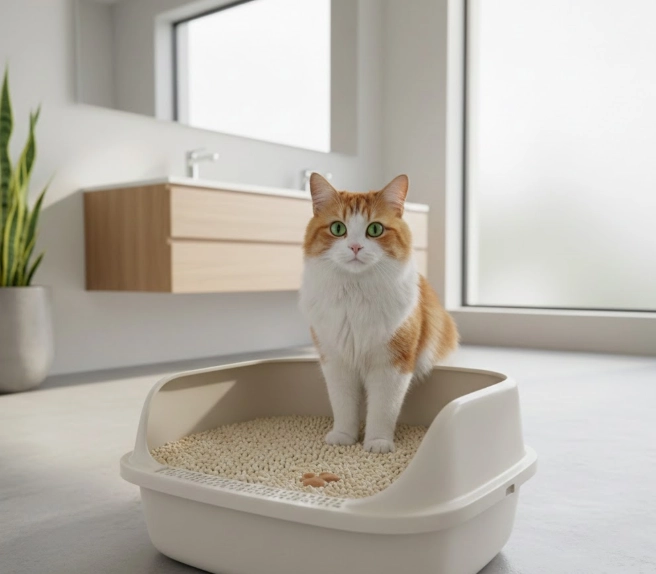
The Science of Dissolution: How “Flushable” Actually Works
To understand why some cat litter goes down the drain and others do not, you need to check how it is built at a tiny level. Old clay or bentonite cat litter grows and turns hard like cement when it touches water. This makes it good to pick up, but bad for your pipes. On the other hand, green choices often use plant materials like soybean parts, corn, or wood bits.
These natural items have a special trait: they pull in water and hold together lightly. When you put a scoop of good plant cat litter in a lot of water, the water goes into the small spaces in the fibers, so the scoop falls apart and breaks. This breaking down, called disintegration, sets apart a good flush from a stuck pipe. It happens because the plant bonds weaken fast in water, unlike clay that sticks tight. This basic fact makes plant litter a better choice for those who want to flush without worry, and it keeps the process simple for everyday use.
Why Your Plumbing Architecture Matters
Even the best litter needs the right place to work its way. You should know that your house pipes form a tricky setup with bends, connections, and slopes that use gravity. A scoop might break in a cup of water on your table, but things inside the walls act different.
If you stay in an old house with iron pipes, the insides might feel rough or worn out. These small catches can grab bits of plant fibers that did not break full, causing slow build-up. Also, new toilets that use less water may not push the broken bits all the way through the sewer. This shows why “flushable” means it might work, not that it always does. You want cat litter that breaks quick to get past these pipe challenges. Checking your home setup first helps you decide if flushing fits, and it saves trouble down the line.
Professional Solutions for the Modern Home
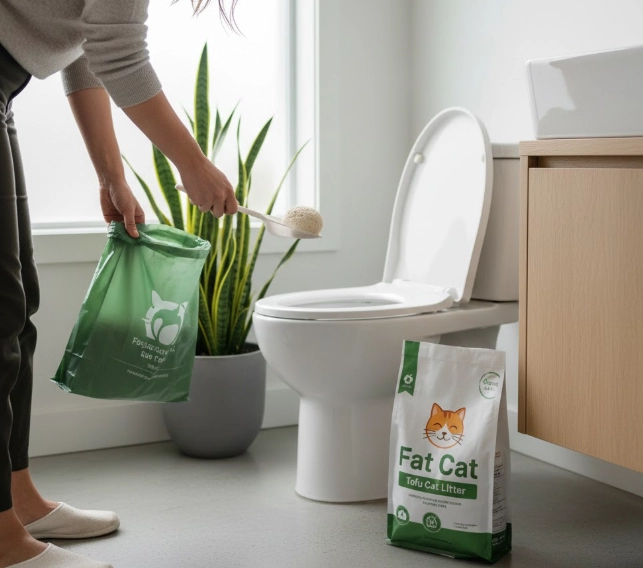
When you pick something like tofu cat litter, you choose a type made to cut these dangers. This kind uses food-safe bean leftovers, formed into small balls that soak up a lot without being too heavy like wood pieces. Since the fibers get made very small, they touch more water fast, so they split quicker when wet.
This quick breaking is your top way to stop clogs. By getting cat litter that holds shape in the box but falls apart fast in the toilet, you fix the main issue with green clean-up. It changes a chancy try into a planned, safe habit. What is more, tofu cat litter from fat cat lasts longer in the box, so you scoop less often, and it draws cats in with a natural feel they like, which means less mess around your floors.
The Environmental Balance: Carbon Footprints vs. Marine Health
Choosing to flush thinks about more than pipes. It thinks about the world. Using plant cat litter helps the earth a lot. Getting clay means digging that hurts land, but tofu or corn cat litter uses farm leftovers that would waste away. By picking these, you lower your cat’s harm to air and soil.
But you need to know a hidden germ issue: Toxoplasma gondii. This is a bug sometimes in cat waste. Most city water plants handle people waste and may not stop these exact germs well. When flushed, these bugs can reach seas and rivers, hurting animals like sea otters. To be a good pet owner, think about flushing just wet scoops and putting solid waste in trash, where heat or land systems treat it right. This way, you help land without risk to water life, and it keeps your choice balanced for both home and nature.
Practical Steps for Safe Disposal
If flushing matches your life and your area rules say okay, follow a clear plan to keep your house free of problems. Never pour all the cat litter box into the toilet one time. Even stuff that breaks easy will block if too much goes in.
Instead, use the “small groups” idea. Flush just one or two scoops each go. A good hint is to leave the scoop in toilet water for two or three minutes before you flush. This “wet first” lets water soak the middle full, so it turns soft mush when it moves to pipes. This easy step can mean clear pipes or a late-night fix call. Also, test a small amount first to see how your toilet handles it, and always use full flushes to give enough water push.
The Verdict on Eco-Friendly Flushing
In the end, “flushable” tells what a material can do, not that it works in every house. If you have new pipes, strong plant cat litter, and stick to a good clean method, flushing can be safe and clean for cat waste. It stops smells from waste in your garbage and makes your day simpler.
By picking items that focus on real making over low-cost adds, you guard your house and help a greener cat litter world. You can make a dirty need into a neat, working flow. With brands like fat cat, more owners find ways to care for pets while watching the earth, and that shift brings real change over time.
FAQ
Q: Can I flush tofu cat litter if I have a septic tank?
A: It is generally not recommended. Septic systems rely on a delicate balance of bacteria to break down solids. While tofu litter is biodegradable, the sheer volume of fiber can overwhelm the tank’s capacity and lead to more frequent pumping requirements. Better to use trash for septic homes to keep balance.
Q: Why do some “flushable” litters still cause clogs?
A: Clogs usually happen for two reasons: flushing too much at once or having pre-existing issues in your pipes like scale buildup or tree root intrusions. If the water flow is restricted, even dissolved litter can settle and create a blockage. Check pipes now and then to spot issues early.
Q: Is it safe to flush cat poop along with the litter?
A: Only if the poop is fresh. If the waste has dried out and become “petrified,” it will not dissolve or break down in the water. This hard mass can easily get stuck in the U-bend of your toilet, regardless of how well the litter around it dissolves. Soak dry bits first if you try.