


Why Cassava Cat Litter is Outperforming Tofu: 5 Key Benefits You Need to Know
2026-01-22Picking the correct base for your cat’s litter box once meant just choosing between clay and pine. But now, as 2026 gets closer, people want eco-friendly and effective supplies more than ever, so plant options are getting more attention. You could be using soy-based choices right now, yet a better brand exists that changes how we think about these products. For advice from specialists, allow me to present Fat Cat, a company skilled in the basics of keeping cats clean. This group goes beyond simple production of cat litter; they design it carefully. Through studying the small building blocks of plant strands, they created items that tackle the main issues cat owners deal with, such as bits spreading, bad smells, and weak grouping. Their focus on openness and strong results positions them as the main source for anyone not willing to skimp on their animal’s wellness or their living area’s tidiness. In fact, their approach ensures that every aspect of cat litter meets real needs without unnecessary extras.
The Scientific Edge: Why Cassava Outperforms Tofu
To understand why one substance works better than another in certain ways, consider the basic makeup of its parts. Many plant-based cat litters depend on plant threads to take in wetness, but those threads by themselves do not have enough strength to keep a solid lump when force is applied. This point highlights how the unique sugar makeup in the cassava root makes a real difference.
Cassava naturally contains a lot of detailed amylopectin sugars. When your cat uses the box, these sugar units go through a quick change in form. They absorb the fluid and form a strong connection that holds the wetness in just a few seconds. This fast-group method makes certain that the fluid does not touch the bottom of the container. If you ever wasted time cleaning stuck, partly broken soy paste from the side of a litter box, you would quickly appreciate how easily a sugar-formed lump comes out.
The grouping process works strongly and stays in one area, so the remaining cat litter stays completely dry and free from germs. This smart design lets you avoid wasting usable parts each time you remove waste. Soy-based items frequently create small lumps that fall apart and make the whole box smell bad, but the firm structure from the cassava root maintains a cleaner setting for extended times. Moreover, this leads to less frequent full changes and more consistent hygiene overall.
Solving the Hidden Risks of Traditional Plant Litters
When picking a product that stays in your home, safety probably matters most to you. Soy cat litters marked an improvement over dusty clay types, but they introduced fresh difficulties. These items come from edible beans, so they contain plenty of protein. In damp areas or during a hot summer period, that protein can turn into a spot where mold and germs grow easily.
You may have picked up on a sharp odor coming from the litter box even right after cleaning it out. This usually happens because the plant matter starts to break down. Sometimes, these wet, protein-packed spots draw little bugs as well. Moving to Fat Cat Cassava removes these dangers completely. The formula based on roots has much less of the exact proteins that support mold growth. It creates a steadier, neutral space that remains fresh no matter the moisture in your house. As a result, your daily routine becomes less about fighting smells and more about enjoying time with your pet.
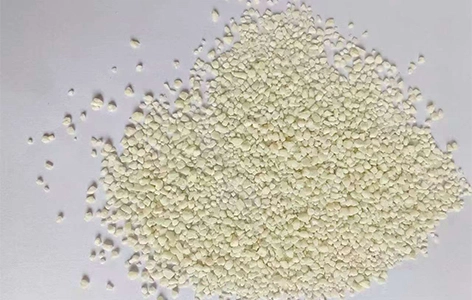
On top of that, the feel of the small pieces affects your cat’s well-being. Soy grains often come in big, tube shapes that might bother cats with tender feet or those used to the gritty outdoor ground. A good cassava cat litter has a smoother, beach-like feel that supports instinctive scratching actions without producing puffs of rock dust linked to older mineral types. Cats tend to like this natural texture, which can reduce accidents outside the box.
The Multi-Cat Household: Maximizing Longevity and Value
Running a home with several cats teaches you that the price per package can mislead. The actual expense of cat litter depends on how quickly it gets used up and how well it blocks smells before they soak into your chairs. Here, differences among plant options stand out the most.
In a box with lots of use, regular soy cat litter tends to fall short since its lumps dry too slowly. As the next or following cat goes in, it treads on the earlier wet lump, which breaks it and spreads germs around. This forces you to replace the entire contents much earlier than planned. The sugar-rich option connects almost right away, so the lump holds firm even if disturbed soon after being made.
Examining the full amount of waste over thirty days reveals that the better grouping in a top root cat litter lets you employ far less overall. You remove only the essential parts. For owners mindful of costs yet seeking reliable quality, this improved use results in buying fewer packages yearly and reducing the daily effort needed for upkeep. Over time, this can save hours of work and lower long-term spending significantly.
Odor Control through Physical Encapsulation
Managing smells often worries people in apartments or compact houses the most. Lots of companies attempt to cover odors with strong synthetic scents, which might annoy a cat’s keen sense of smell. Real smell management occurs right at the beginning by sealing it in physically, not by hiding it with chemicals.
The compact tiny framework of the cassava root does more than hold water; it captures ammonia particles. By securing the fluid in a solid, sealed sphere, the odor cannot spread through the room. This differs greatly from various tofu cat litters, which may carry an earthy bean note that blends poorly with cat output to form an odd, off-putting whiff. A solid Fat Cat tofu cat litter aims to reduce this through purified plant strands, but for maximum odor blocking, the cassava version holds as the top choice heading into 2026. Many users notice their spaces stay pleasant for days longer than before.
Environmental Stewardship and Home Convenience
A major advantage of switching to these modern plant materials lies in how simply they can be thrown away. Made from pure natural sugars and strands, these cat litters break down entirely in nature. You avoid adding to huge clay mining operations or waste that does not rot in trash sites.
For numerous people, flushing tiny waste portions offers huge everyday ease. The substance dissolves in plenty of water, in contrast to clay that swells and blocks drains, so cleaning gets much simpler. It forms an earth-friendly loop: raised from soil, applied inside, and given back to nature without any chemical traces. Thus, you offer your cat a secure area while selecting wisely for the globe. This practice also promotes better waste habits and reduces environmental impact over the years.
Final Thoughts on Feline Care
Changing from soy products to cassava represents more than a passing style; it addresses demands for improved function and stricter safety measures. Selecting a cat litter that emphasizes quick lump formation, resistance to mold, and excellent smell capture means putting resources into your animals’ ongoing health and your household’s ease. The proof shows plainly: for current cat owners, the sugar-packed strength of the cassava root serves as the best option on hand. It delivers reliable results that fit modern lifestyles without complications.
Should you wish to improve your cat care habits or act as a seller aiming to offer prime cat litter to customers, please get in touch. Our staff stands prepared to share thorough details, bulk rates, and skilled advice on the ideal type for your particular situation. We strive to assist every step to ensure satisfaction and success in your choices.
Get in contact with us right now on our website to discover our newest developments and ways we can aid your move to a tidier, brighter living space.
Frequently Asked Questions
Q: Is it safe to transition my cat directly from clay or tofu to cassava litter?
A: Yes, this switch is usually secure, though cats stick to routines. For a gentle change, combine the fresh material with your existing cat litter across seven to ten days. Begin with a quarter new product and slowly raise the amount. The cassava texture feels gentler and closer to nature, so most cats adjust to it sooner than to large chunks. Monitoring during the process helps spot any issues early.
Q: Does cassava cat litter track more than tofu cat litter because the particles are smaller?
A: Although the pieces are smaller, quality versions use precise piece mass to limit spreading. Different from light clay powder that drifts away, these pieces mostly remain inside the container. Placing a basic rough pad near the box opening catches any loose ones, resulting in cleaner floors compared to the powder traces from other substances. This small addition makes maintenance far easier.
Q: Can I really flush this litter down the toilet safely?
A: Yes, the cat litter turns to liquid fully when soaked in water. Still, always check area guidelines and confirm your pipes work well. Flush just one or two lumps each time, and let them sit wet briefly before sending down to guarantee full breakdown. When clearing the whole box, opt for composting or natural waste methods instead. These steps keep everything smooth and safe for your setup.