


Eco-Friendly Disposal: Can You Flush Cat Poop or Should You Toss It
2026-01-15
The Ecological Consequences of Improper Cat Waste Disposal
If you’re a caring cat owner, handling your pet’s waste goes beyond just maintaining a tidy home—it’s about safeguarding the natural world around us. Many people overlook the broad environmental effects of mishandling cat waste, but these impacts are real and significant.
Cat feces often contain harmful germs that threaten sea creatures, including Toxoplasma gondii. This common parasite in cat waste can slip into rivers and oceans via sewer lines, causing serious harm to water animals like sea otters and other ocean mammals. When you flush raw cat waste, it can add to water contamination and upset entire ecosystems in ways that last for years.
Besides these health dangers, the way you get rid of the waste itself plays a big role. Standard methods of throwing it away often add extra strain to dump sites and boost methane gas release. As clay or fake litters pile up in landfills with the waste, they help create more heat-trapping gases and slow down the natural breakdown of materials. If you’ve been dumping used litter straight into the garbage without much thought, it could be smart to pause and consider better options moving forward.
Legal and Infrastructural Considerations in Flushing Cat Poop
You might think your toilet offers an easy fix, yet flushing cat poop brings more problems than advantages in the end. Certain states and local areas in the U.S. ban flushing cat waste because their water cleanup facilities can’t handle it well. These plants usually fail to filter out parasites like Toxoplasma gondii, so the germs could still flow into wild areas and cause trouble there.
On top of that, pipes from older homes aren’t built to deal with bits of litter, which raises the chance of clogs happening. Even in newer places, flushing litter often—even the kind labeled as safe for toilets—can lead to slow buildups inside the lines over time. City sewer setups might not kill off the bugs from cat poop either. So while your home pipes might hold up okay, the wider environment could suffer greatly from this choice.
Evaluating Flushable Cat Litter: Pros and Cons
Benefits of Flushable Cat Litter Products
Companies promote flushable litters as a handy, green choice—but do they really deliver on those promises when you look closer?
These litters dissolve in water on purpose, which cuts down the danger of blocking drains if you flush them right and in small batches. A lot of them come from plant sources that grow back, like tofu or corn, making them able to break down naturally and turn into compost. Tofu cat litter uses simple tofu leftovers without any added chemicals, and it’s gentle on cats while being kind to nature too.
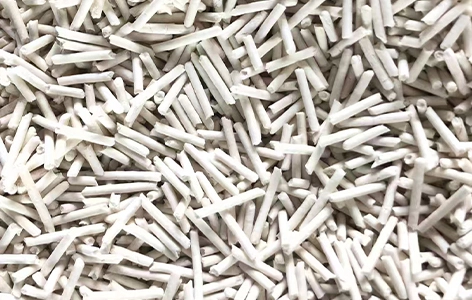
Items like Fat Cat’s Tofu Cat Litter stand out as a top pick in this group. The main technology mixes corn flour, pea fiber, starch, and guar gum in a smart way, then presses and dries them at high heat to form solid clumps in sizes of 2.0 mm, 2.5 mm, or 3.0 mm. This mix stays free of poisons and dust, which works great in homes with allergies, and it adds the bonus of being okay to flush when conditions fit.
Challenges and Limitations of Flushable Litter Solutions
That said, being flushable doesn’t guarantee zero issues every time. Even these special litters can gather in pipes if you send too much down at once or do it too often. Tests for how well they dissolve happen in controlled lab settings, which might not match what happens in everyday home pipes with all their twists and turns.
Not every city’s water system can manage the plant matter and weight from these natural litters without strain either. Plus, false ads create headaches: some brands call their stuff flushable, but it fails to break apart fully in actual use. This point really highlights why you need to check product details carefully before trusting your toilet to handle the job.
Sustainable Alternatives for Disposing of Cat Waste
Using Biodegradable Bags for Responsible Disposal
For plenty of families, sealing waste in bags stays the simplest path to follow. Bags that break down naturally, crafted from things like cornstarch or PLA, provide a light-touch method to hold the mess without adding to the plastic mess in oceans and land.
Keeping waste bagged on its own helps with safe touching and lowers the spread of germs. Still, don’t toss these bags into regular backyard compost piles unless you have gear that kills off bad bugs. They’re not fit for everyday composting because of the germ worries; sticking to city trash pickup works best in most cases.
Composting Cat Waste: Feasibility and Precautions
If composting sounds appealing to you, move forward with caution and planning. Special compost setups can handle pet waste safely when conditions stay just right. These systems heat up past 145°F, which is key to wiping out germs and tiny parasites completely.
Experts don’t suggest trying this in a basic backyard pile without solid know-how and the right equipment. Putting untreated cat waste into your garden dirt could spread illnesses, especially near plants you plan to eat, leading to health risks down the line.
Innovations in Eco-Friendly Litter Systems: Spotlight on Tofu Cat Litter
What Makes Tofu Cat Litter Environmentally Superior?
Litters based on tofu are catching on with owners who care about the planet. Fat Cat’s Tofu Cat Litter stands as the perfect mix of earth-friendly living and cozy spots for your cat, winning praise as the top litter for cats thanks to its easy flushing and strong smell control.
Built from soy pulp that’s safe for food—a leftover from making tofu—this stuff would just get thrown out otherwise. It also fights odors well and keeps your house fresher overall. The bits clump up on their own, kick up little dust, and pose no big risk if a cat nibbles a bit by mistake.
Dissolvability and Carbon Reduction Benefits of Tofu-Based Litters
Tofu litter’s ability to melt in water lets it fall apart fast when you flush it the right way. It dissolves in water easily for straight toilet use, vanishing quick without causing stops in the flow. What’s more, making it takes less power than digging up clay or building fake materials, which means fewer CO₂ gases going into the air.
It backs a system where waste turns into useful items again, pulling from farm leftovers to make something practical. When handled correctly, tofu litter ranks among the greenest picks you can find today.
Choosing the Right Disposal Method Based on Local Guidelines and Infrastructure
Assessing Local Regulations Before Flushing Cat Waste or Litter
Before you send anything down the toilet—even if it says flushable on the pack—it’s vital to check your area’s rules first. Look over the laws from your city or county about how to handle pet waste properly.
You ought to reach out to the folks who manage your local water cleanup too. Talk to water treatment experts nearby for advice on what their setup can take without issues. Even solid flushable options like Fat Cat’s Tofu Cat Litter deserve flushing only where the pipes and laws support it fully.
Matching Disposal Methods with Your Home’s Plumbing System Capabilities
Houses with old pipes that are narrow or septic tanks face higher risks from blockages. If your place has dated lines or a septic setup, steer clear of flushing any cat litter, even the tofu kind that seems gentle.
By comparison, city apartments with up-to-date pipes might manage small flushes now and then—if the rules allow it. When you’re unsure, it’s safer to bag it up or use the city’s waste services instead.
Integrating Eco-Conscious Habits into Daily Pet Care Routines
Reducing Environmental Impact Through Informed Product Choices
Switching to litters from plants instead of clay cuts down harm to the earth a lot. Pick ones that decay on their own—like tofu litter—and team them with bags that compost easily rather than plastic ones that last forever.
Grab compostable bags over plastic when you scoop out the waste for the trash can.
Educating Pet Owners on Sustainable Pet Waste Management
Real change begins when people learn the facts. Pass along what you know to other cat lovers about the nature dangers from bad waste habits. Back group pushes for green pet care that can grow big and help everyone.
Spark talks in your neighborhood about ways to care for pets without hurting the planet. If you aim to shrink your impact while keeping your cat happy, moving to plant litters marks a strong move in the right direction.
FAQ
Q: Is cat poop biodegradable if I use natural litters like tofu?
A: While tofu-based litter is biodegradable, cat feces contain pathogens that persist unless treated at high temperatures. Therefore, used litter should not be composted casually unless processed through high-heat compost systems designed for pet waste.
Q: What are the flushable cat litter pros and cons?
A: Pros include convenience, reduced landfill load, and use of biodegradable materials. Cons involve potential plumbing issues, ineffective sewage treatment for feline pathogens, and mislabeling concerns where litters don’t dissolve as advertised.
Q: How should I dispose of cat waste if I live in an older home?
A: Avoid flushing entirely. Instead, scoop waste into certified compostable bags and dispose via municipal solid waste systems. This reduces plumbing risk while still minimizing environmental impact through biodegradable packaging.