


How cat litter properties influence mold detection and prevention effectiveness
2025-12-04Keeping your cat’s litter box fresh involves more than just daily scooping; the type of litter you choose plays a crucial role in an unseen battle against mold. While all litters manage waste, their inherent properties—such as material composition, moisture control, and airflow—directly determine whether they resist or encourage mold growth. This guide breaks down how silica, tofu, and clay litters differ in their susceptibility to fungi and provides practical steps to detect risks early and maintain a healthier environment for your pet. Understanding these factors can help you make an informed choice that goes beyond odor control to effectively prevent microbial issues.

The Relationship Between Cat Litter Properties and Mold Growth
The Microbial Environment of Litter Boxes
Each time your cat uses the litter box, it adds organic waste such as urine and feces along with water content, creating an ideal setup for tiny organisms to multiply. Mold particles grow well in these spots, particularly when the warmth and dampness levels rise. However, the container alone does not cause all the trouble; the litter’s basic makeup and structure have a big hand in either helping or stopping mold from spreading.
Warmth and water levels drive the process mainly, yet the flow of air and food sources from litters that break down naturally also matter a lot. Litters based on plants can serve as a rich food base for fungi if you do not keep things clean. Even small mistakes in cleaning can lead to sudden increases in these organisms.
Key Factors That Contribute to Mold Formation in Cat Litter
You may see that some litters keep their fresh smell for a longer period, while others start to give off a damp, earthy scent soon. This variation usually comes down to three main parts: the way the litter handles water, the amount of air movement inside the litter pile, and the schedule for changing it out completely.
Litter that holds onto water without letting it dry out turns into a spot where mold can grow easily. Thick materials keep water trapped inside their layers, and parts that come from plants—such as those made from corn or pea parts—can support the growth of these organisms. Scooping out waste each day makes a difference, but people often overlook how often to swap the whole litter. If you pick plant-based options in areas with a lot of moisture in the air, the chance of problems goes up quite a bit.
How Different Cat Litter Types Influence Mold Risk
Silicone Cat Litter: Inherent Mold Resistance Properties
Silica-based litters provide strong protection against mold since they contain no organic parts and offer no food for fungi to use. Silicone cat litter traps water and removes bad smells right away, which helps keep your house smelling good. It does not form clumps but instead soaks up liquid straight into its small pieces, cutting down on wet spots on top.
What stands out even more is the open structure within the silica cat litter that works like a tiny sponge. Once it touches the liquid, it pulls in 5-8 times its own weight in water and turns it into a firm gel, which stops urine from getting to the bottom of the litter box where mold usually starts.
Thanks to its clear look and low amount of dust, you can spot changes in color or signs of dirt more easily at an early stage, giving you time to fix things before mold turns into a real issue.
Tofu Cat Litter: Biodegradable Yet Mold-Sensitive
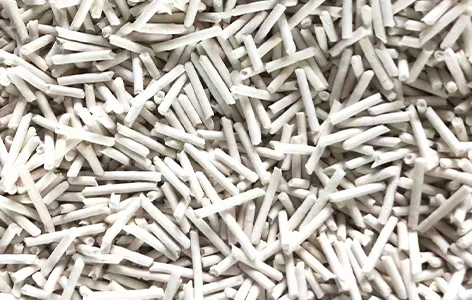
Tofu litters come from corn flour, pea fiber, starch, and guar gum, all of which break down in nature and come from living sources. While this feature makes them good for the environment, it also brings in elements that mold can use as food if the box lacks fresh air or if you do not clean it often.
One of its best features is how fast it forms clumps, which makes removing waste simple. This action limits how much urine moves around, which cuts down on areas where mold might take hold. Still, its makeup from plants can break apart quicker in places with high dampness. On top of that, its natural way of fighting smells might hide the first signs of mold, so checking by sight becomes extra key.
Clay-Based Litters: Traditional but Prone to Moisture Accumulation
Clay litters, usually made from bentonite, handle soaking up water well but tend to keep dampness locked deep in their packed layers. As they get pressed down over days, they block the movement of air and make a space without oxygen, which suits some types of fungi and germs perfectly.
Their greater weight makes people less likely to change them out fully on a regular basis, and if you wait too long between swaps, they build up waste from nature that helps mold grow. Versions with added smells might cover up the damp scents tied to mold, which slows down the time when you notice and act.
Comparative Effectiveness of Mold Prevention in Litter Types
Moisture Control Capabilities
Silicone litters do an outstanding job at handling water because of their drying agent traits. They seal in water fast without letting it leak back out, a quality that keeps the nearby litter from getting too soaked and reduces the wet areas that could support mold growth.
Tofu litters provide fair control over water; although they clump up well, they consist of plant materials that soak up water and can wear out quicker in moist conditions. Clay litters take in water effectively but hold it inside unless you mix them or change them on a schedule.
Airflow and Drying Efficiency Within the Litter Box Environment
The even size of silicone crystals allows for better flow of air. This setup speeds up the drying process and makes it harder for tiny organisms to grow. Tofu cat litters create solid clumps that can stop air from moving unless you take them out right away. Clay litters turn thick as time passes, which limits the fresh air even more.
Odor Control vs. Mold Masking Risks
The plain smell of silicone litter helps in a good way because it does not hide early clues like damp scents. On the other hand, tofu cat litters, particularly those with scents like green tea or peach, might cover up signs of fungi starting to grow. Clay products often have strong scents to deal with waste smells but end up hiding mold buildup without meaning to.
Best Practices for Detecting and Preventing Mold in Various Cat Litters
Monitoring Techniques for Early Detection of Mold Growth
Keep an eye on your cat’s litter box every day to stay ahead of problems. Check for color changes on the top of the litter or on the sides of the box; light green or black spots could mean fungi are there. Smells that are damp or sharp serve as another warning. In spots with little light, you might try a UV light to reveal mold that hides from normal view.
Maintenance Routines Tailored to Each Type of Cat Litter
When using silicone-based items like Silicone Cat Litter, mix the crystals each day to spread out the air flow evenly and swap them every four weeks or earlier if you see color shifts. Built to fight against germ growth, it keeps a clean space for your cat.
For tofu-based litters such as Tofu Cat Litter, remove the clumps each day and change the whole thing every 5 to 7 days when the air feels damp. You can flush it down the toilet since it breaks down, which makes regular updates simple and better for the planet.
Clay-based kinds need you to scoop daily and stir them now and then to avoid getting too packed. Set up a plan to replace everything at least once a week to hold up good cleaning levels.
Product-Specific Advantages from Fat Cat’s Range in Combating Mold Risks
If you want options made with science to cut down on germ dangers while adding ease and safety, take a look at Fat Cat’s full product line.
Their Silicone Crystal Cat Litter gives a top cleaning choice: silica crystals that fight bacteria touch down on germs and lower their numbers right away, while granules that change color show when they are full, helping you decide when to refresh them.
At the same time, their Tofu Clumping Cat Litter mixes care for the earth with smart design for better results. It clumps up fast to keep urine from spreading far, which shrinks the spots where mold might start. Added with natural helpers against fungi like green tea extract, it aids in keeping things cleaner even when the air holds a lot of moisture.
To expand on these benefits, Fat Cat focuses on creating litters that not only handle daily use but also address long-term health concerns for pets and owners alike. For instance, the silicone version uses high-quality silica that has been tested to absorb odors without releasing them back into the air, ensuring a consistent fresh environment over extended periods. This is particularly useful in homes where ventilation might be limited, as it prevents the buildup of harmful particles that could lead to mold or other issues.
In the case of the tofu litter, the inclusion of natural extracts goes beyond basic clumping; it actively works to inhibit microbial activity from the start. Users often report that this litter maintains its structure better than plain plant-based options, reducing the frequency of full changes needed while keeping the box odor-free. This balance makes it a practical choice for busy households looking to minimize maintenance without sacrificing cleanliness.
Furthermore, Fat Cat’s commitment to transparency means they provide detailed information on how each product performs under various conditions, such as different humidity levels or cat sizes. This helps pet owners make informed decisions tailored to their specific situations, ultimately lowering the overall risk of mold and promoting a healthier living space for everyone involved.
When to Seek Support: Recognizing Persistent Issues Beyond DIY Solutions
If mold keeps showing up even after you follow solid cleaning steps or try different products, it could be time to talk to an expert or switch to another litter style.
Signs to watch for include mold you can see on the box parts right after a change or if your pet starts showing health problems like coughing or itchy skin. Certain mold particles can make breathing harder for cats and people alike.
For advice that fits your needs, Fat Cat gives helpful talks through email or WhatsApp, which you can find on their website. You can also get sheets with lab results on anti-germ features to pick the right mix for your home setup.
Expanding on when to seek help, consider that some environments naturally foster more microbial growth due to factors like location or household habits. In such cases, professional input can reveal underlying causes, such as improper box placement that traps moisture, and suggest adjustments like better airflow setups or complementary products. Fat Cat’s support team, with their background in pet care science, often recommends combining litters with box liners or enzyme cleaners for enhanced protection, ensuring that persistent problems do not escalate into bigger health concerns for your furry friend or family.
FAQ
Q: How often should I fully replace silicone cat litter?
A: Replace every four weeks or when color-changing granules indicate saturation.
Q: Is tofu cat litter safe for cats with respiratory issues?
A: Yes. Its dust-free and non-toxic formula is ideal for sensitive cats.
Q: Can scented clay litters hide mold-related odors?
A: Yes, heavily scented litters can mask musty smells linked to mold, delaying detection.